Récupérez le fichier APK 1xBet, lancez l'installation en quelques étapes et activez le bonus de bienvenue avec le code promo. Sur iPhone, utilisez Safari ou l'application iOS lorsqu'elle est proposée.
Source vérifiée SHA-256 contrôlé Gratuit - sans frais 18+ - jeu responsable
Code promotionnel exclusif
1x_5681456
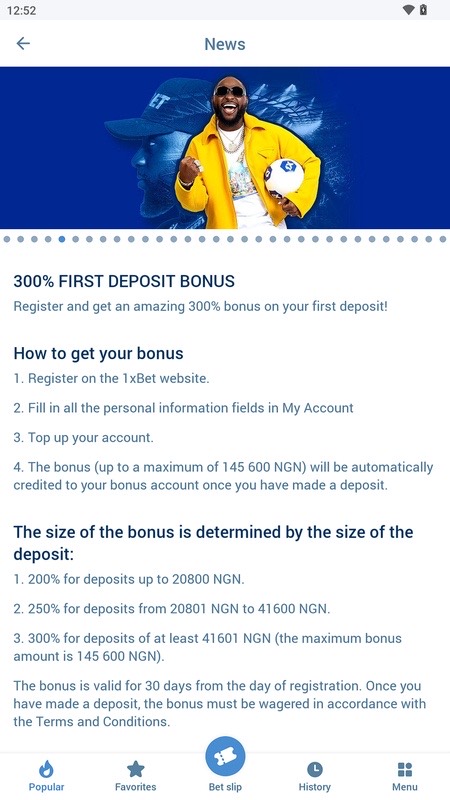
Bonus de bienvenue 200 % indicatif si l'offre apparaît dans votre compte. Le plafond, la devise et les conditions dépendent du pays et du profil.
Partager :
Captures d'écran
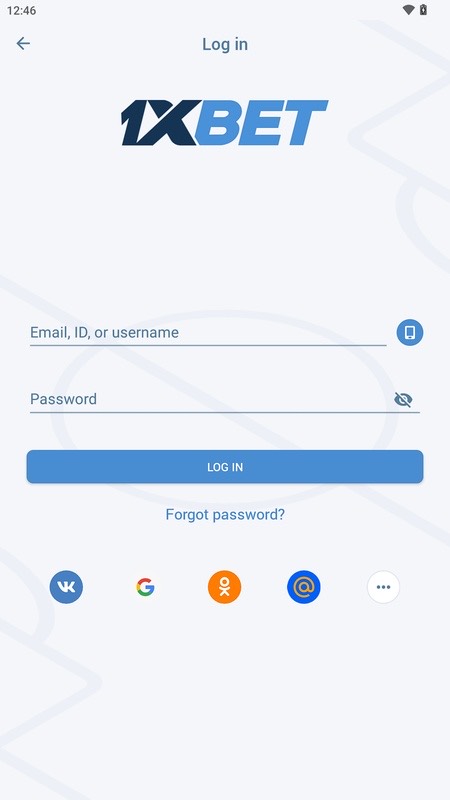
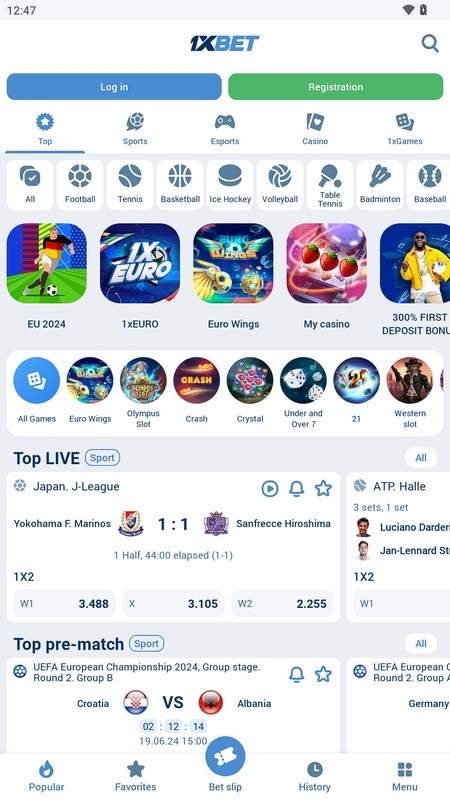
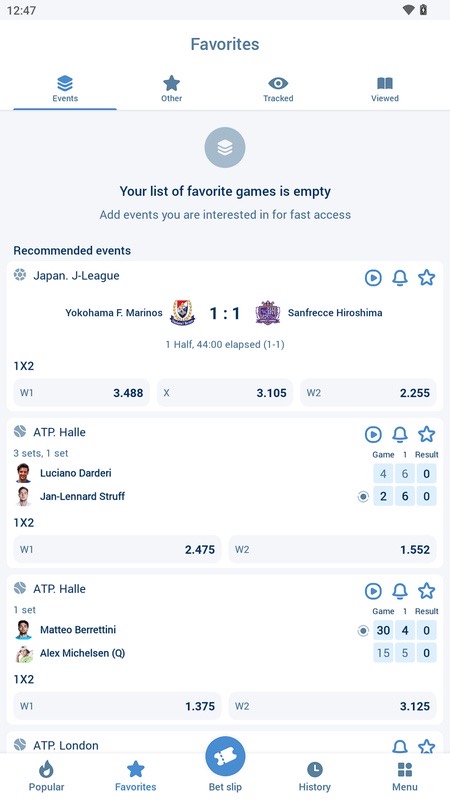
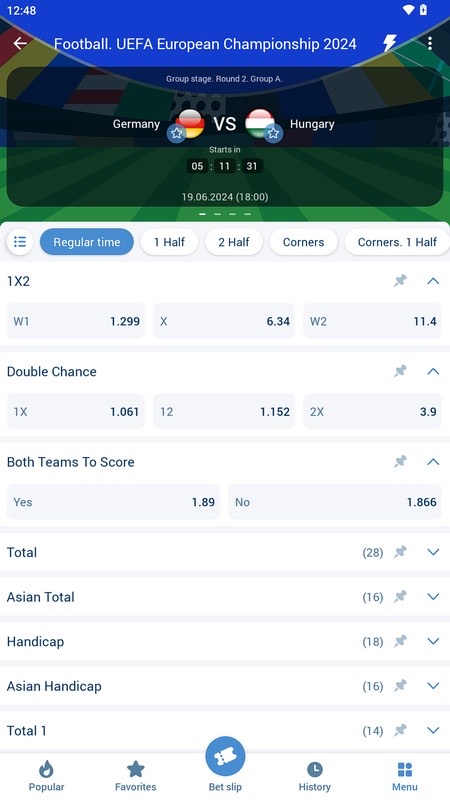
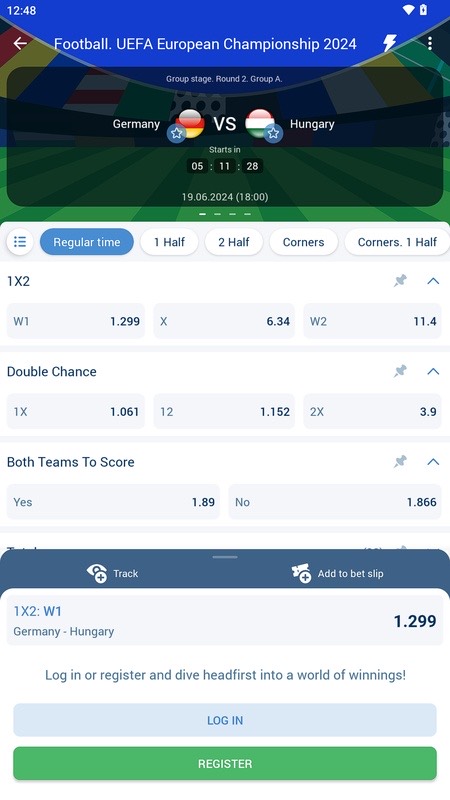
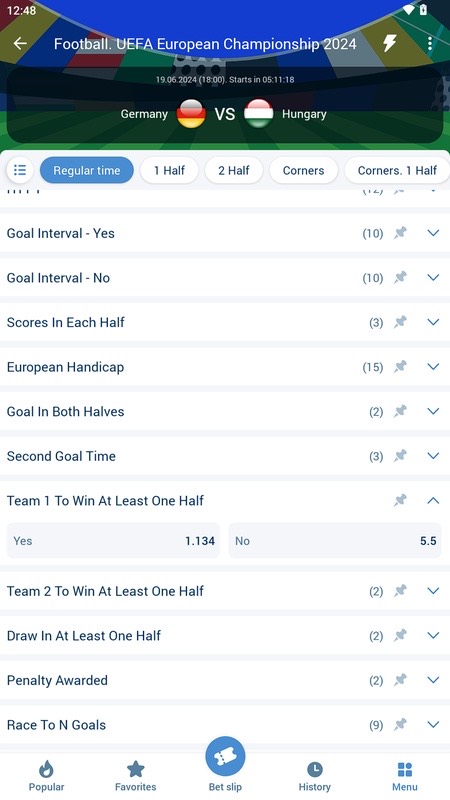
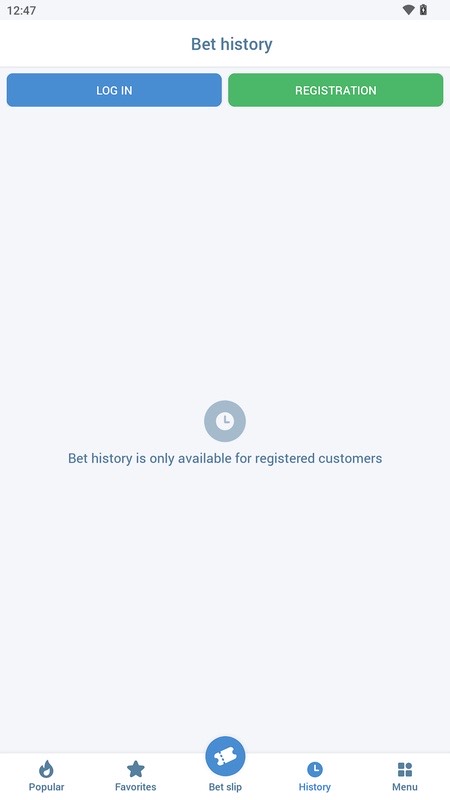
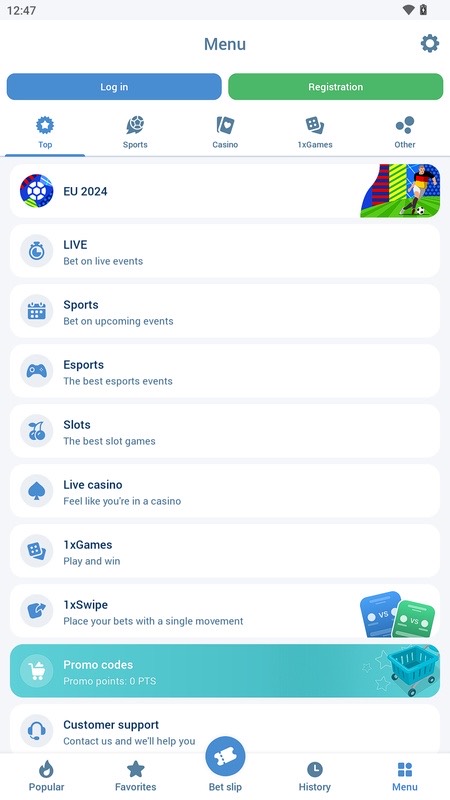
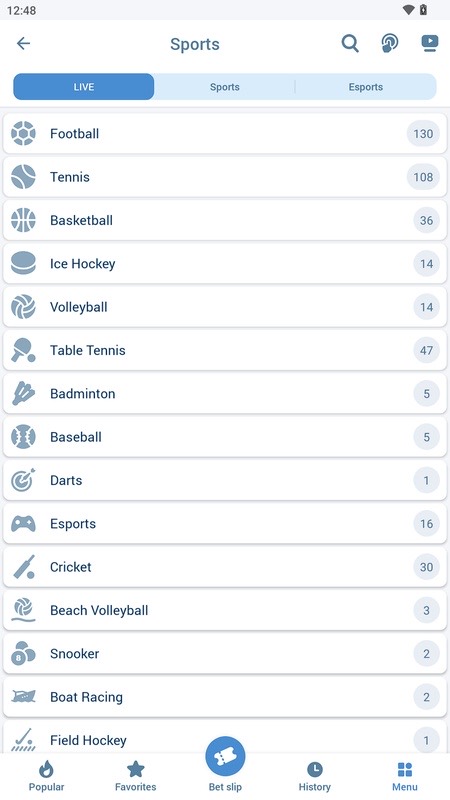
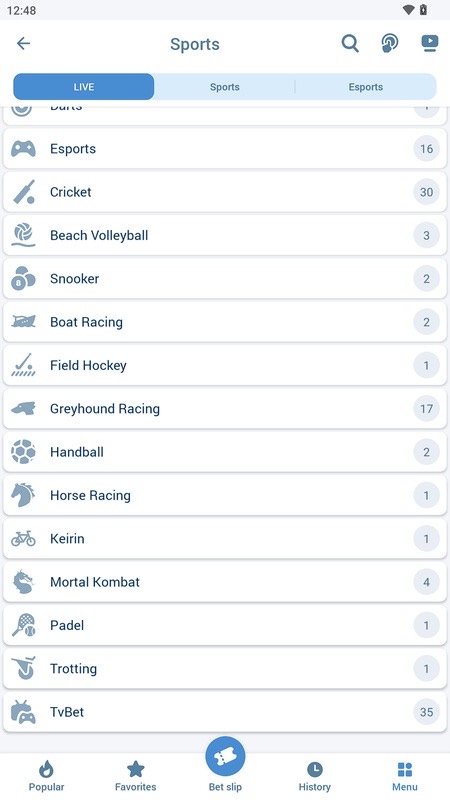
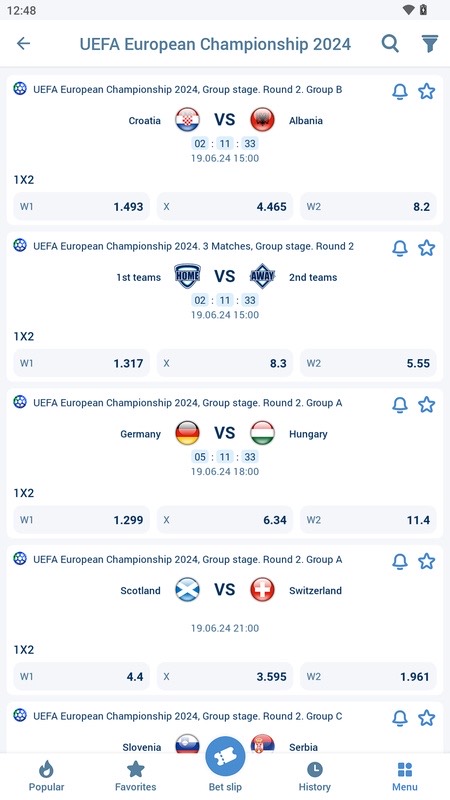
Connexion à votre compte (e-mail, ID ou identifiant)Accueil : sports populaires, casino et Top LiveFavoris : accès rapide à vos événements suivisMarchés d’un match : 1X2, double chance, BTTSCotes d’un match et ajout au coupon de pari
Source vérifiée
Gratuit - sans frais
Mise à jour 2026
18+ - jeu responsable
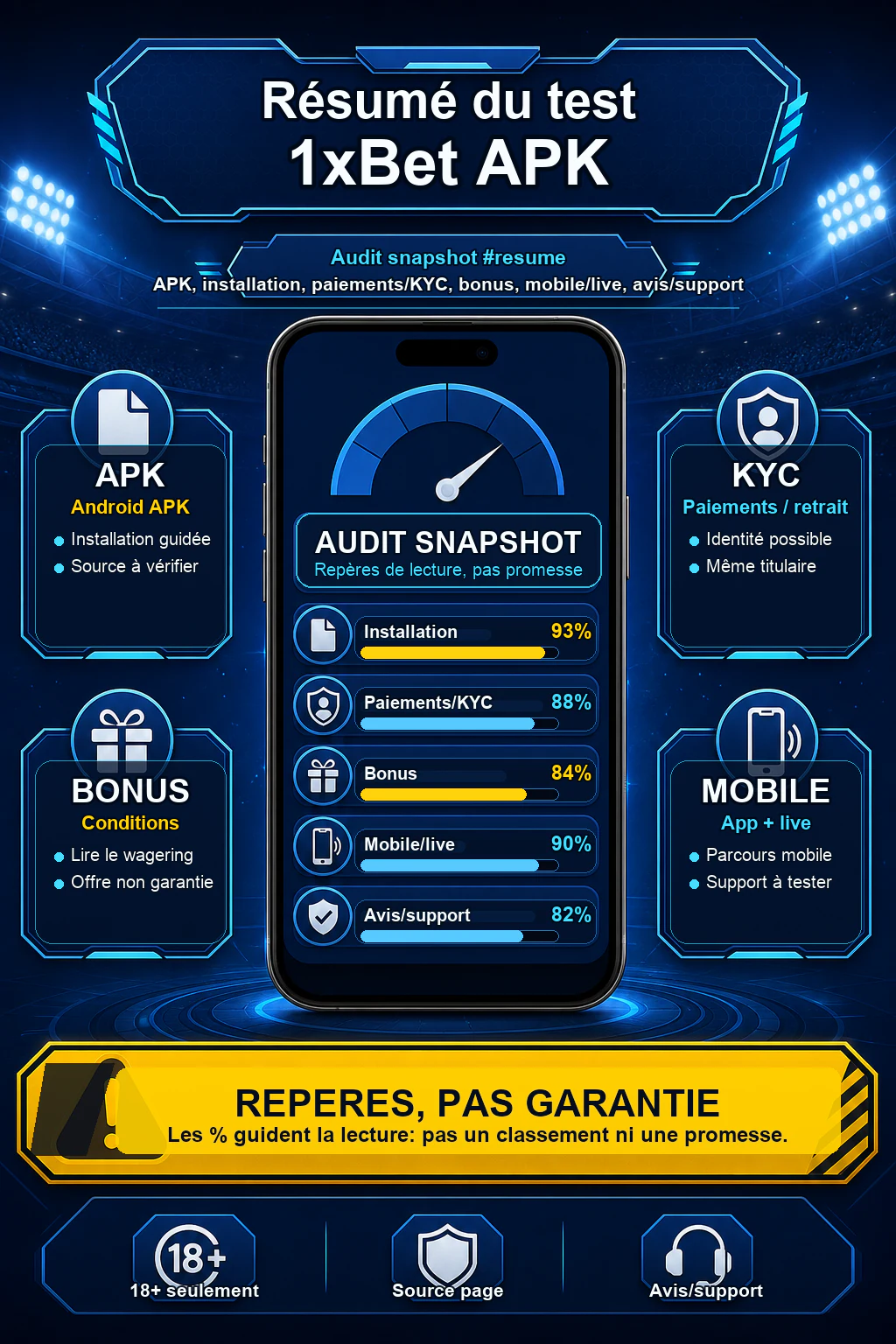
Résumé du test
Résumé du test 1xBet APK
Avant de télécharger 1xBet APK, ce résumé indique quoi vérifier: fichier Android, version contrôlée, code promo, paiements, KYC, fonctions de paris et retours lecteurs. Les valeurs techniques affichées ici décrivent le fichier proposé sur cette page le 19 juin 2026; elles ne garantissent ni gain, ni retrait, ni disponibilité dans chaque pays.
Les pourcentages mesurent la clarté des contrôles visibles: fichier, installation, paiement, bonus, live et support. Ils ne classent pas l'opérateur et ne promettent aucun résultat.
4,1/5note des avis
Version contrôlée1xbet-prod-v257.0.74
Fichier actuel44,9 MB, format APK Android
CompatibilitéAndroid 7.0+; iPhone via Safari ou App Store selon région
Code promo1x_5681456, à saisir seulement si le champ est proposé
VérificationSHA-256 affiché plus bas dans la fiche APK
Chaque score répond à une question pratique: le fichier est-il identifiable, l'installation est-elle expliquée, le paiement est-il vérifiable et le risque est-il nommé avant l'action.
APK et version
Cette page relie le nom du fichier, la taille, Android 7.0+, le SHA-256 et le repère de mise à jour.
Bonus et code
Le guide explique le code 1x_5681456, le calcul indicatif, le wagering et les limites à contrôler dans le compte.
Paiements et KYC
L'utilisateur garde un titulaire, un reçu, des documents KYC et un statut cohérents pour chaque dépôt ou retrait.
Paris sportifs
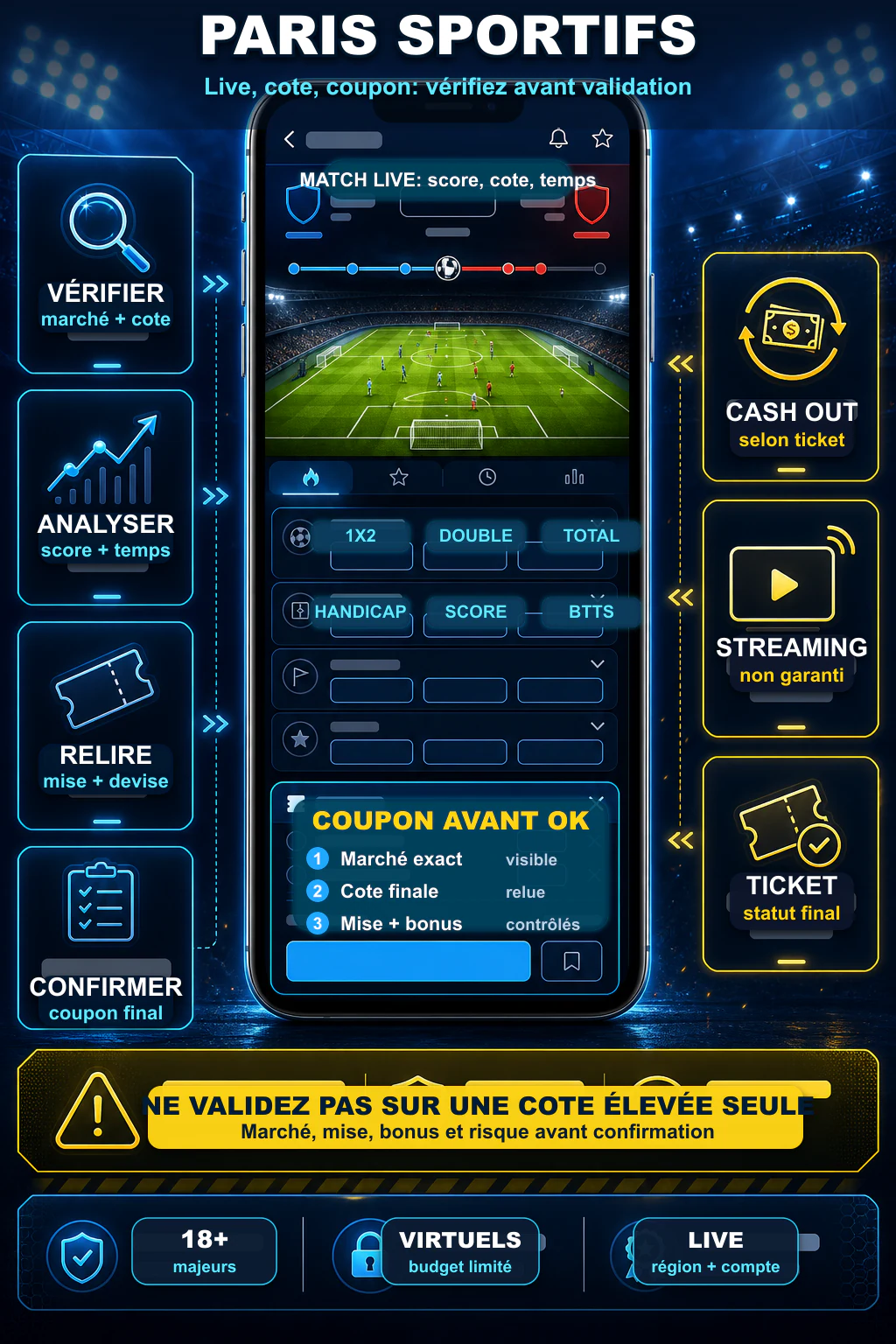
Le coupon regroupe marché, cote, mise et cash out éventuel; l'utilisateur relit chaque ligne avant validation.
Mobile
Android utilise l'APK, iPhone utilise l'App Store disponible ou Safari, et le site mobile reste l'accès sans fichier.
Avis lecteurs
Les retours signalent les erreurs fréquentes: dépôt en attente, KYC, code refusé, ancien APK et paiement répété.
Téléchargement
Télécharger 1xBet APK sur Android
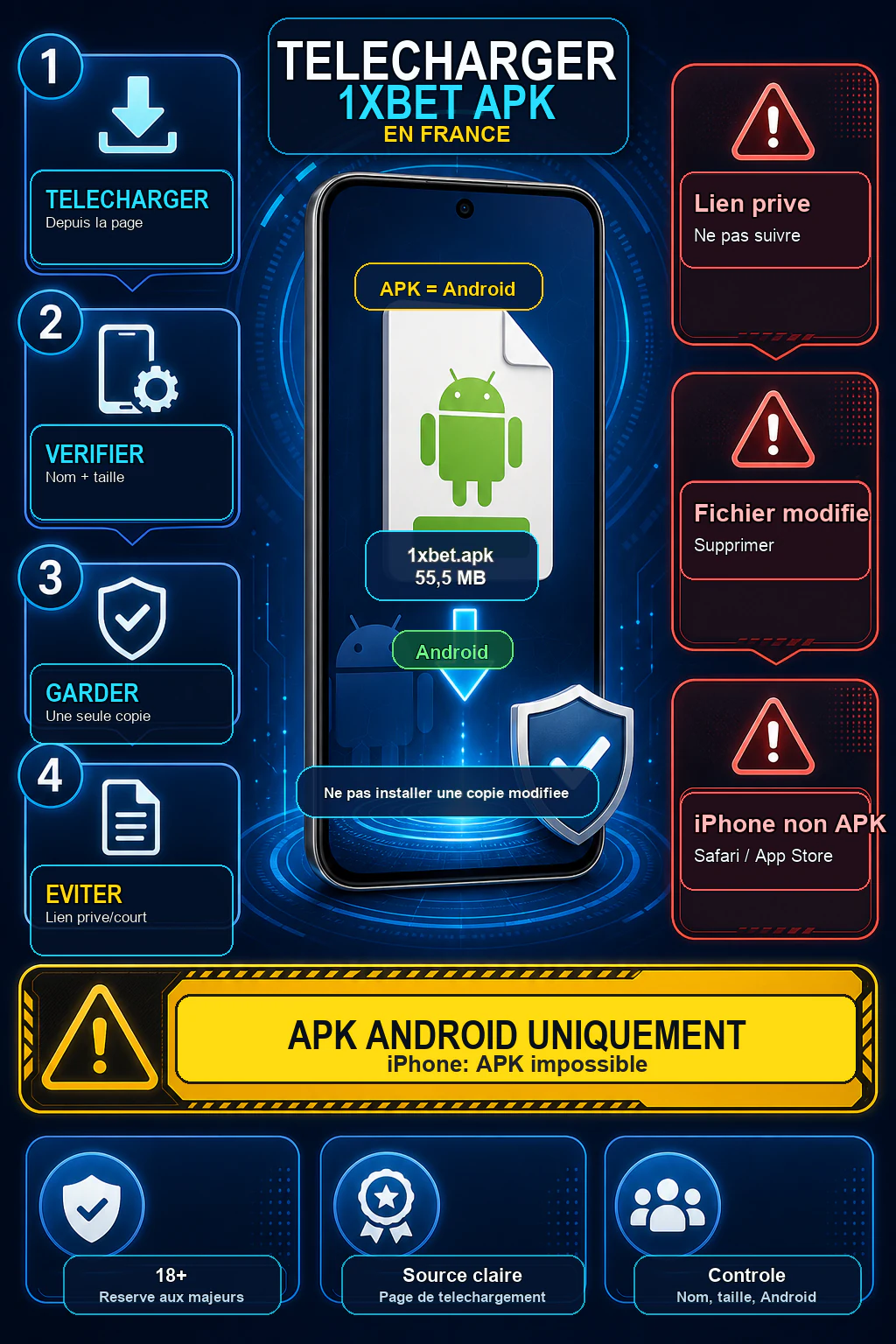
Sur Android, l'installation de 1xBet passe par 1 seul fichier : l'APK 1xbet.apk de 44,9 Mo, version 1xbet-prod-v257.0.74, vérifiée le 8 juillet 2026. Un APK est simplement le fichier d'installation d'une application Android : vous le téléchargez depuis cette page, vous l'ouvrez, puis Android vous guide étape par étape. L'application 1xBet n'apparaît pas toujours dans le Google Play Store selon le pays, donc le fichier APK reste le chemin d'installation standard sur un téléphone Android 7.0 ou plus récent.
Utilisez le bouton de téléchargement de cette page. Évitez les fichiers envoyés dans un message privé, un groupe ou un lien raccourci inconnu. Une APK reçue sans contexte peut être ancienne, modifiée ou dangereuse.
Le fichier APK sert Android uniquement: téléchargez depuis la page, contrôlez le nom et la taille, puis évitez les liens privés ou raccourcis.
Ne vous étonnez pas si l'APK 1xBet n'apparaît pas toujours dans le Google Play Store selon le pays, l'appareil ou la politique de la boutique. Dans ce cas, le plus important est de télécharger un fichier clair, de vérifier son nom et de ne pas installer une copie modifiée.
Avant d'ouvrir le fichier, gardez assez d'espace libre sur le téléphone et supprimez les anciennes copies inutiles. Si vous voyez plusieurs fichiers presque identiques dans le dossier Téléchargements, gardez seulement celui que vous venez de récupérer.
APK = fichier d'installation pour Android.
iPhone ne peut pas ouvrir une APK.
Ne cherchez pas une version « bonus garanti ».
L'utilisateur ouvre d'abord le site mobile si le fichier APK semble douteux.
Détail APK
Valeur à contrôler
Pourquoi c'est utile
Entreprise
1xBet
Reconnaître l'application avant installation
Licence
Gratuit
Ne pas payer un intermédiaire pour le fichier
Limite d'âge
18+
Respecter les règles de jeu responsable
Nom du fichier
1xbet.apk
Éviter les fichiers renommés ou suspects
Type de fichier
APK Android
Comprendre que le format n'est pas iOS
Taille du fichier
environ 55 Mo pour le fichier actuel
Prévoir l'espace de stockage
Système
Android
Installer seulement sur un appareil compatible
Architecture
arm64 ou version compatible selon l'appareil
Éviter les erreurs d'installation
Bonus & code promo
Bonus de bienvenue 1xBet et code promo
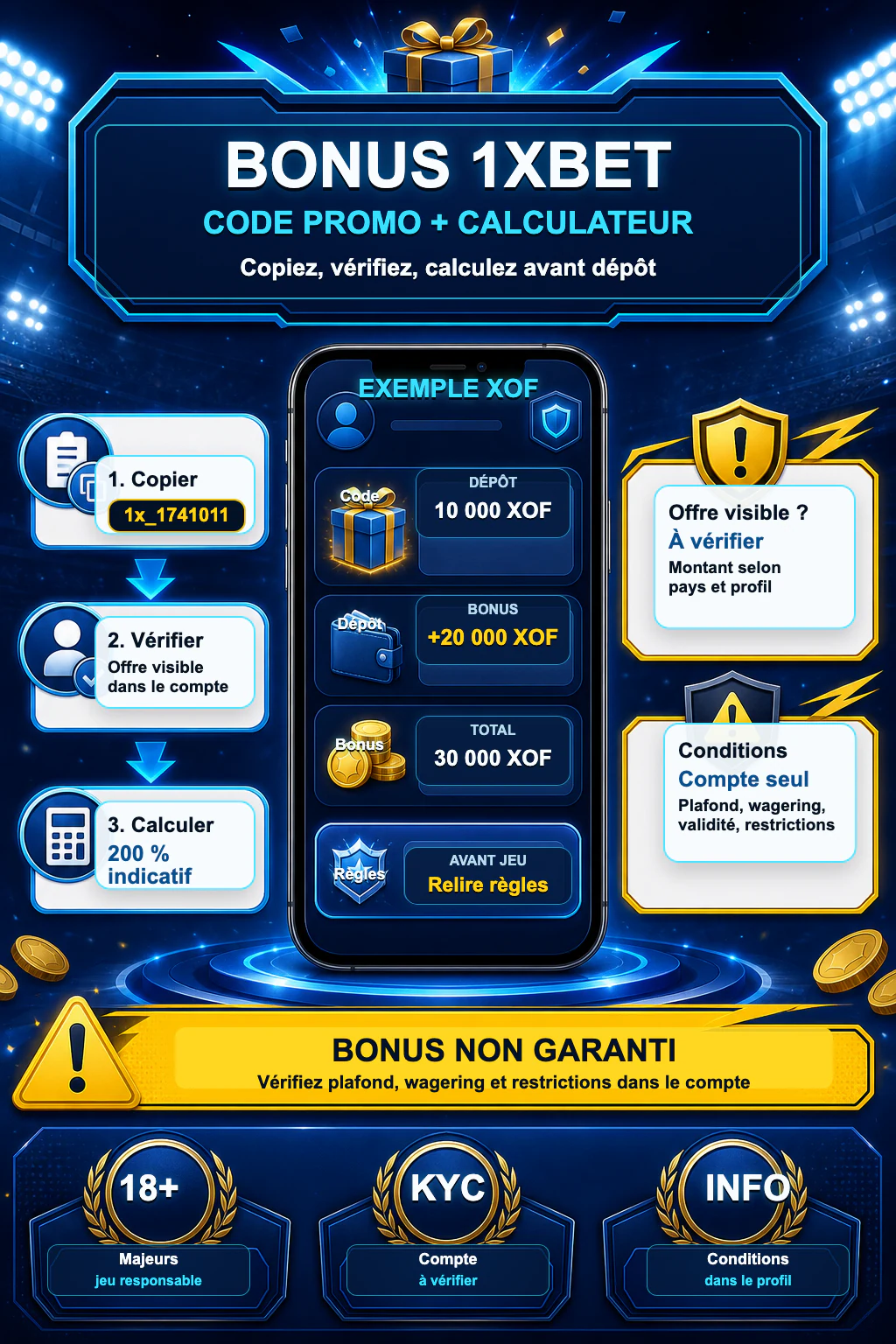
Le code promo 1x_5681456 peut rattacher l'inscription à une offre de bienvenue seulement si le champ promo apparaît dans le compte. Le profil 1xBet affiche ensuite le montant accepté, la devise, le plafond, les jeux inclus et les conditions de mise.
Le bonus doit se lire comme un calcul contrôlé: code, dépôt, plafond, wagering et règle 18+ avant toute validation.
Calculez votre bonus indicatif
XOF
Votre dépôt10 000 XOF
Bonus 200 %20 000 XOF
Solde indicatif30 000 XOF
Le calcul illustre un taux de 200 %. Le compte reste la source finale: il confirme le plafond, le dépôt minimum, le wagering, la devise et la disponibilité par pays.
Activer le code promo en 3 étapes
Le nouvel utilisateur crée le compte avec son téléphone, son e-mail, son pays et sa devise réels.
L'utilisateur saisit le code 1x_5681456 seulement quand le formulaire affiche un champ promo.
Avant le dépôt, l'utilisateur relit le dépôt minimum, le wagering, la durée de validité et les restrictions du bonus.
Un bonus ne garantit aucun gain. Si les conditions ne sont pas claires dans le compte, ne déposez pas seulement pour activer l'offre.
Bonus & retrait
Bonus 1xBet en Afrique francophone : devise, plafond, wagering et retrait
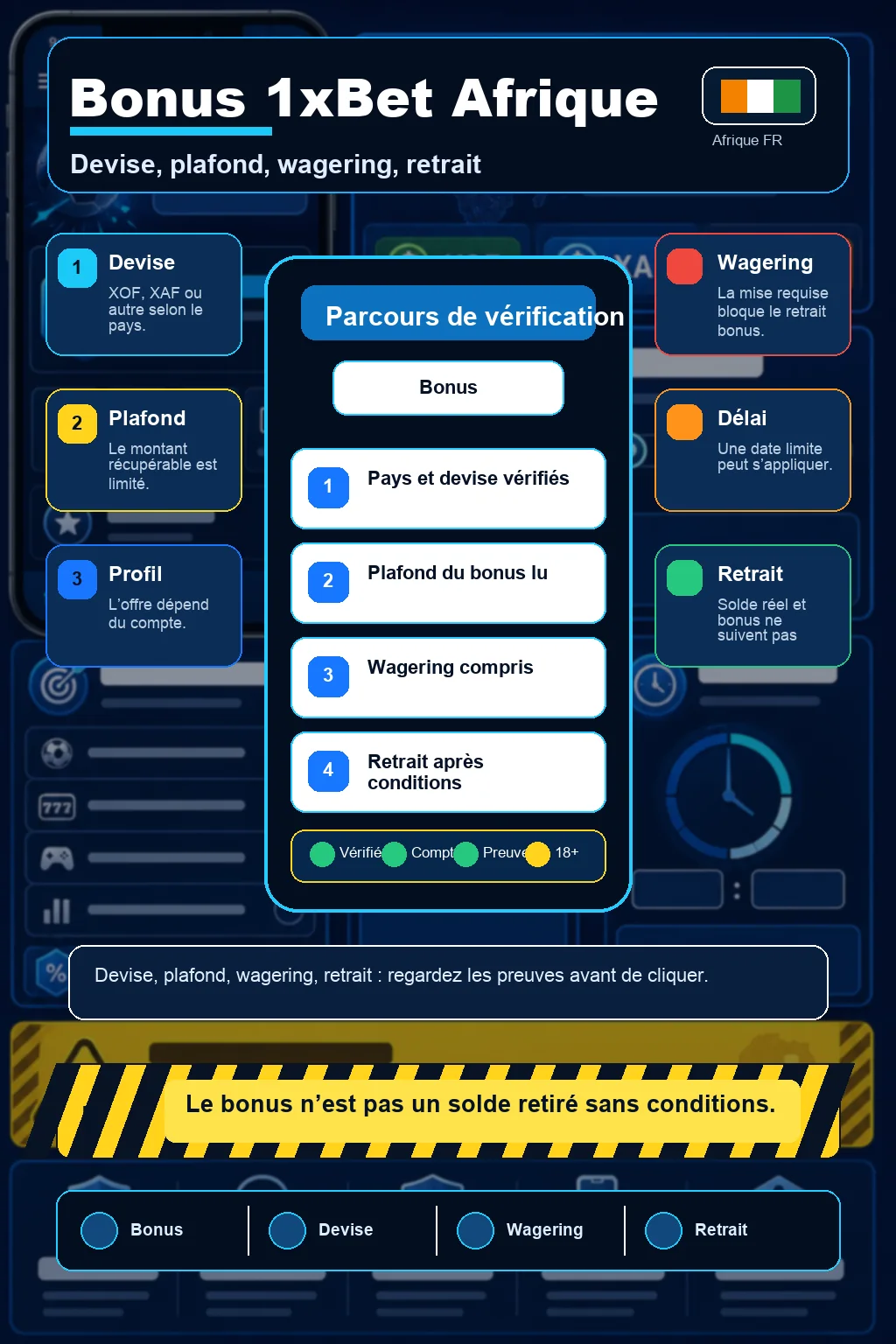
Le bonus de bienvenue 1xBet atteint 200 % du premier dépôt en Afrique francophone, avec un plafond qui change selon le pays et la devise : XOF, XAF, CDF, GNF ou MAD. Le montant exact, le dépôt minimum, le wagering et la date limite s'affichent dans le compte 1xBet avant le dépôt. L'utilisateur lit ces 4 valeurs avant de payer : un pourcentage élevé ne suffit pas si le wagering bloque le retrait du bonus.
Le bonus devient utile seulement si l'utilisateur comprend la devise, le plafond, le wagering et l'effet possible sur le retrait.
Lire le bonus comme un contrat court
Un pourcentage élevé ne suffit pas. Le compte doit afficher combien le bonus ajoute, quelles mises comptent et quand le retrait devient possible.
Triplet cléBonus 1xBet dépend du pays et de la devise. Wagering bloque le retrait bonus tant que les mises requises ne sont pas terminées.
DeviseXOF, XAF, CDF, GNF, MAD ou autre devise changent le plafond et le dépôt minimum.PlafondLe plafond limite le montant récupérable, même si le pourcentage paraît très fort.WageringLes conditions de mise peuvent retenir le solde bonus avant une demande de retrait.
Point bonus
Question à poser
Risque évité
Devise
Le compte affiche-t-il XOF, XAF, CDF, GNF, MAD ou une autre devise ?
Comparer un plafond dans la mauvaise monnaie
Dépôt minimum
Quel montant active réellement l'offre dans ce compte ?
Déposer trop peu et perdre l'éligibilité
Wagering
Combien de mises et quels types de paris comptent ?
Demander un retrait avant la fin des conditions
Délai
Combien de jours restent pour terminer l'offre ?
Laisser expirer le bonus ou le solde associé
Retrait
Le bonus bloque-t-il une partie du solde ?
Confondre solde affiché et montant retirable
Le bonus ne garantit aucun gain. Si le compte n'affiche pas clairement les conditions, l'utilisateur garde son dépôt hors bonus ou attend une offre lisible.
Captures d'écran
Captures réelles de l'application 1xBet
Les 15 captures documentent des écrans précis de l'application 1xBet: connexion, accueil, favoris, marchés sportifs, coupon, bonus, historique, menu, sports en direct, générateur de coupon et réglages de sécurité. La galerie 1xBet relie chaque capture à une étape du guide: compte, paiement, coupon ou sécurité.
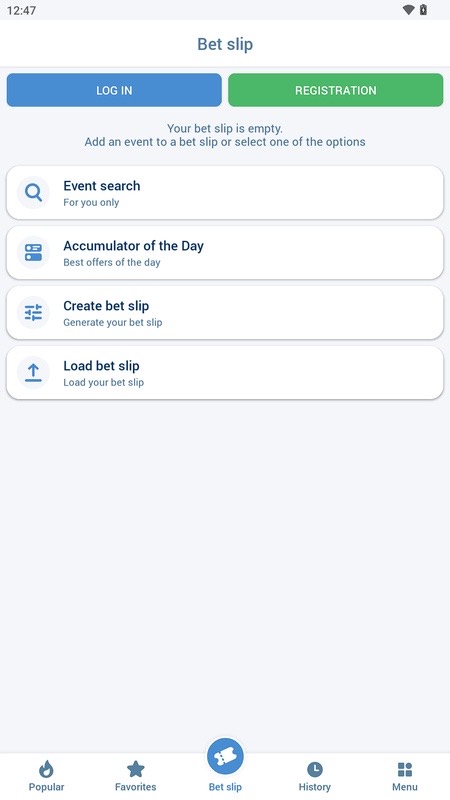
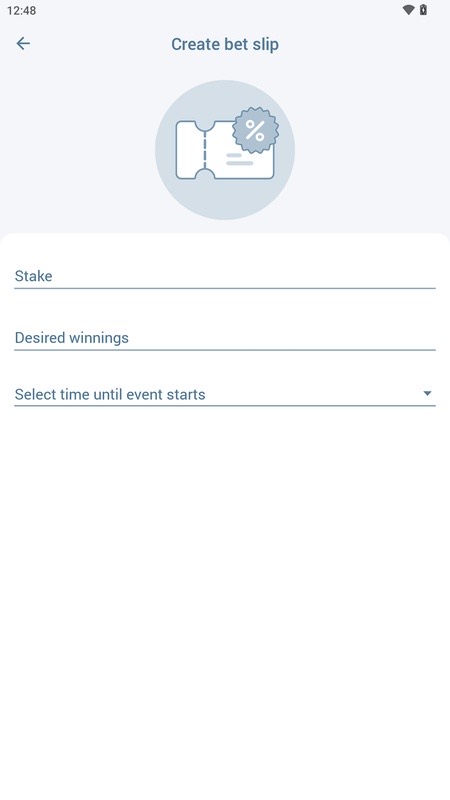
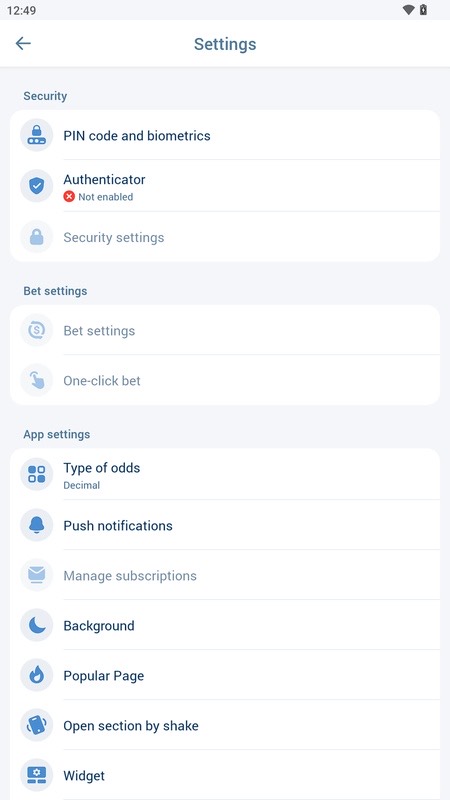
Connexion à votre compte (e-mail, ID ou identifiant)Accueil : sports populaires, casino et Top LiveFavoris : accès rapide à vos événements suivisMarchés d’un match : 1X2, double chance, BTTSCotes d’un match et ajout au coupon de pariListe détaillée des marchés d’un matchPage bonus : 200 % sur le premier dépôtCoupon de pari : recherche et pari du jourHistorique des paris réservé aux comptes inscritsMenu : Live, Sports, Esports, Slots et Live CasinoSports en direct avec nombre d’événementsCatalogue complet des sports disponiblesÉvénements avant-match avec cotes 1X2Générateur de coupon : mise et gains visésRéglages : sécurité, code PIN et notifications
Faites défiler horizontalement: le carrousel contient 15 captures et chaque image s'ouvre en aperçu agrandi.
Installation
Installer l'application 1xBet sur Android
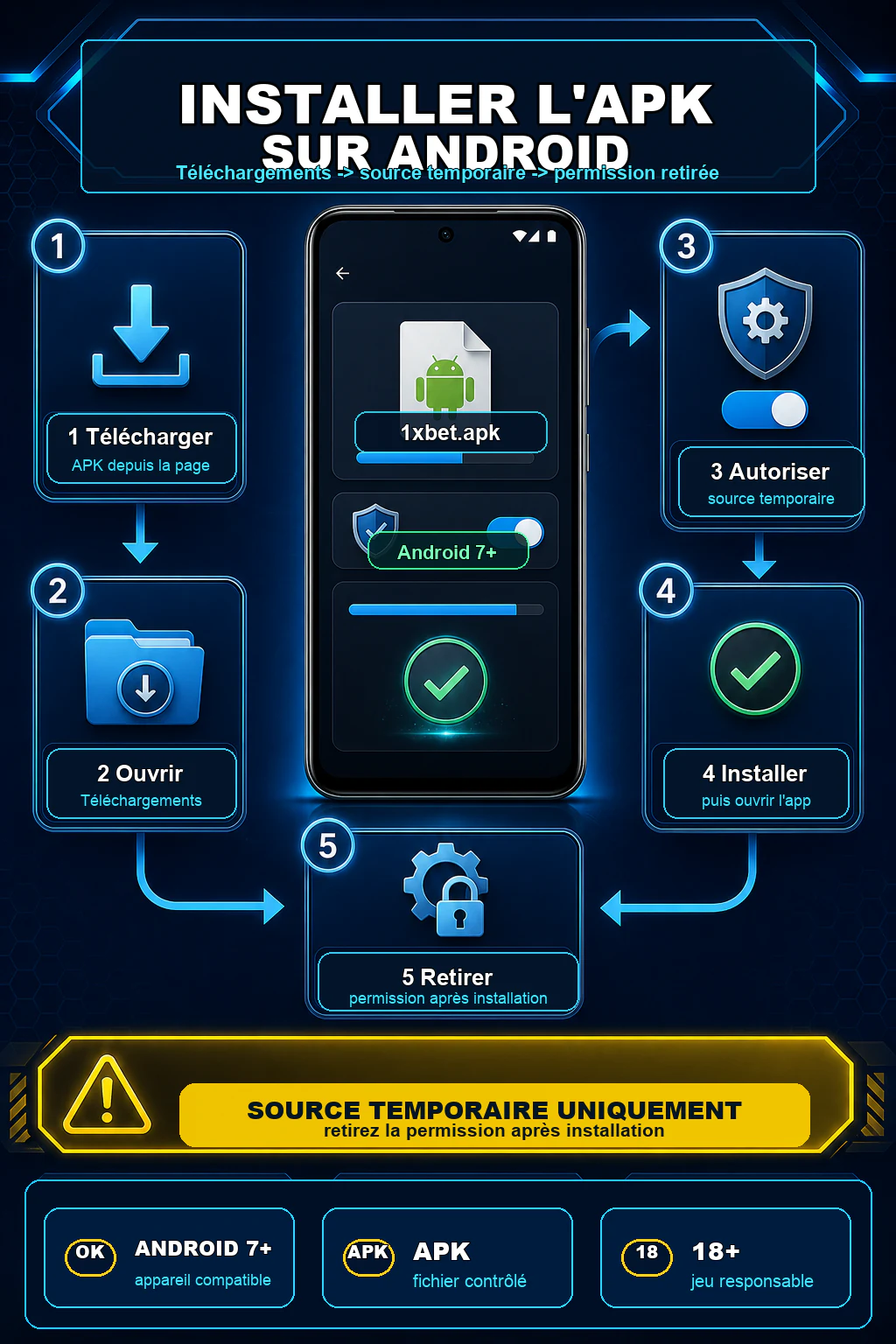
Après le téléchargement, ouvrez le fichier APK depuis le dossier Téléchargements. Android peut afficher une alerte parce que le fichier ne vient pas d'une boutique classique; cette alerte demande de vérifier la source avant d'autoriser l'installation.
Autorisez seulement le navigateur ou le gestionnaire de fichiers utilisé pour cette installation. Une fois l'application installée, vous pouvez retirer cette autorisation dans les réglages du téléphone.
Le bon parcours Android: télécharger, ouvrir le fichier, autoriser seulement la source utilisée, puis retirer l'autorisation après installation.
Si l'installation échoue, ne téléchargez pas cinq versions au hasard. Supprimez le fichier, vérifiez l'espace libre, redémarrez le téléphone et relancez le téléchargement depuis cette page.
Une fois l'application ouverte, vous pouvez suivre les cotes en direct, les statistiques de match et les résultats en temps réel avant de valider un pari simple, un pari combiné ou un pari live.
Appuyez sur Télécharger l'APK.
Attendez la fin du téléchargement.
Ouvrez le fichier dans Téléchargements.
Autorisez l'installation si Android le demande.
Installez l'application, puis ouvrez 1xBet.
Erreurs Android
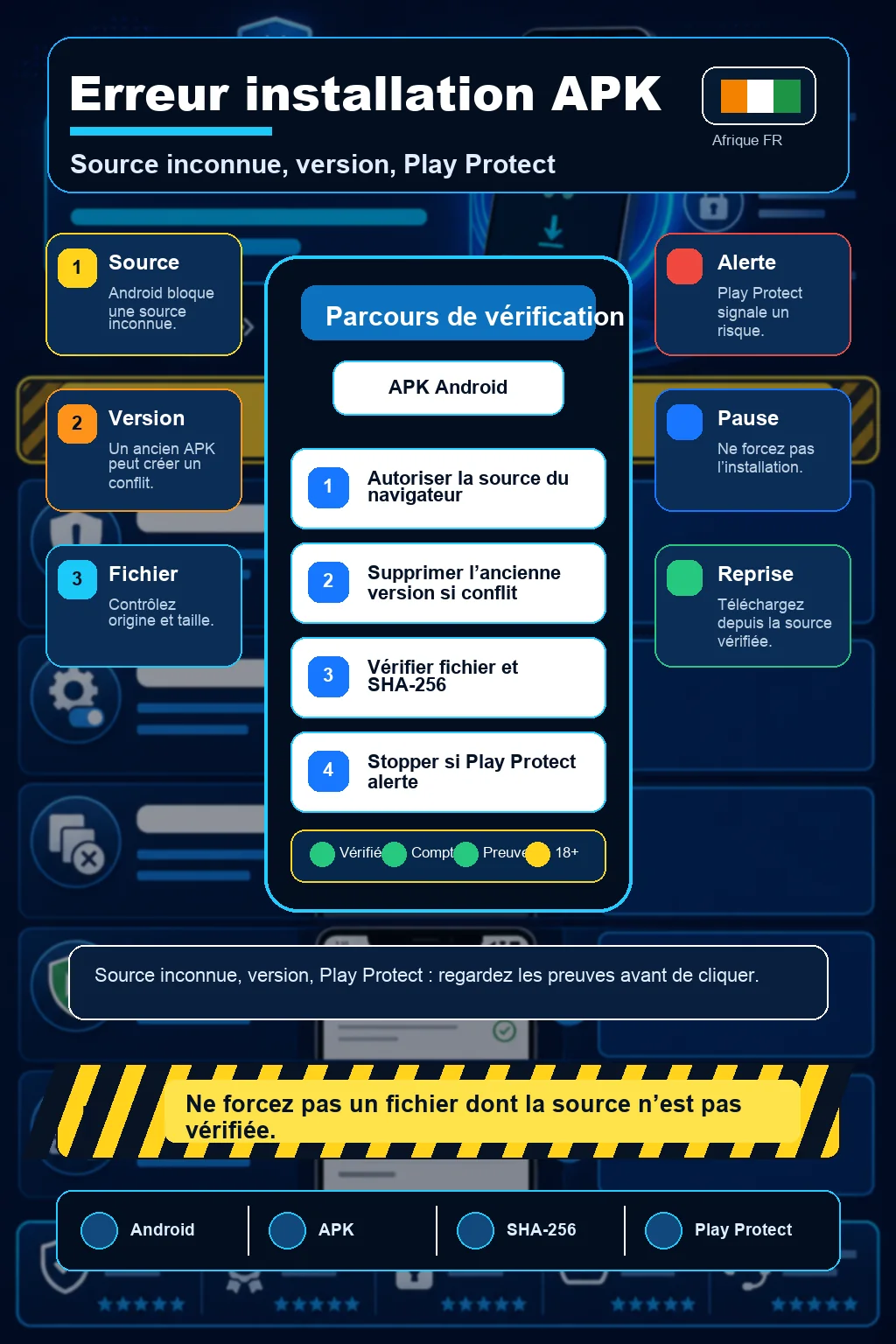
Erreur d'installation 1xBet APK : source inconnue, conflit de version, Play Protect
Android bloque l'installation de l'APK 1xBet pour 3 raisons fréquentes : la source inconnue n'est pas autorisée, une ancienne version de l'application crée un conflit, ou Play Protect demande une vérification du fichier. Chaque blocage a une action précise : autoriser uniquement le navigateur utilisé, supprimer les anciennes copies de l'APK, puis retélécharger le fichier actuel de 44,9 Mo avant de relancer l'installation.
Android bloque l'installation 1xBet APK quand la source, la version, l'espace libre ou Play Protect ne valident pas le fichier.
Message ou symptôme
Ce que cela indique
Action utile
Source inconnue
Android bloque une installation hors boutique
Autoriser seulement le navigateur utilisé, puis retirer l'autorisation après installation
Application non installée
Ancienne version, fichier incomplet ou espace insuffisant
Supprimer les anciennes APK, libérer de l'espace et retélécharger le fichier actuel
Conflit de version
Le téléphone garde une version incompatible
Désinstaller l'ancienne app si nécessaire, redémarrer et installer une seule version
Avertissement Play Protect
Android demande une vérification de source
Contrôler nom, taille, SHA-256 et page de téléchargement avant de continuer
Écran bloqué après ouverture
Cache, réseau ou version instable
Vider le cache, vérifier la connexion et utiliser le site mobile si le blocage continue
Ce qu'il ne faut pas faire
L'utilisateur évite les fichiers APK multiples. Plusieurs APK dans Téléchargements créent un conflit et rendent la source impossible à contrôler.
Ce qu'il faut garder
L'utilisateur conserve le fichier actuel, le nom 1xbet.apk, l'empreinte SHA-256 et le lien de la page utilisée.
Sortie de secours
Le site mobile remplace l'application 1xBet quand le téléphone refuse l'installation ou quand la source n'est pas claire.
Dépannage & suivi
Mettre l'application 1xBet à jour
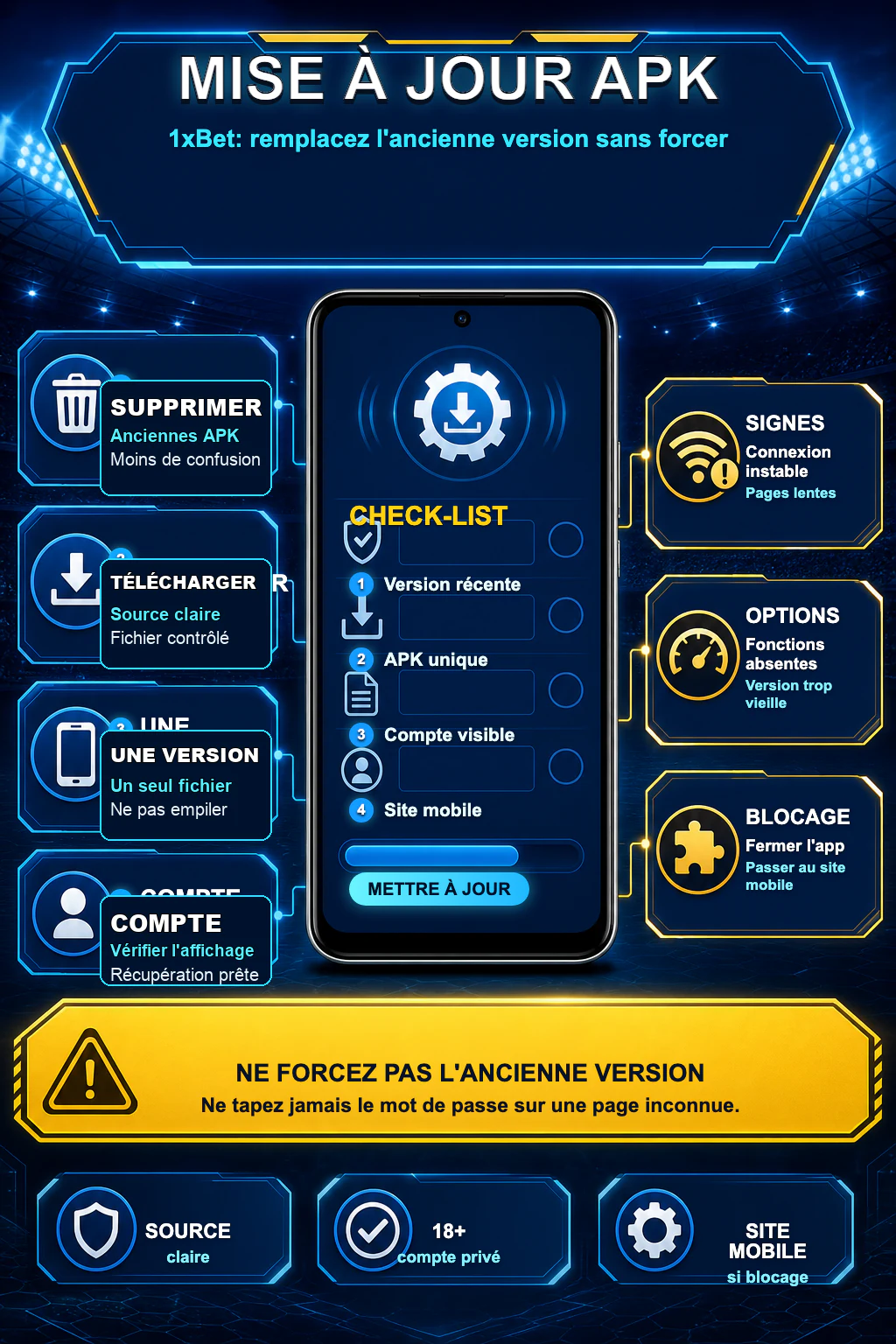
Une application trop ancienne peut mal fonctionner. La connexion peut être instable, certaines pages peuvent charger lentement et des options peuvent manquer. Dans ce cas, il vaut mieux installer une version plus récente au lieu de forcer l'ancienne.
Pour mettre à jour, téléchargez une nouvelle APK depuis une source claire. Ne gardez pas plusieurs fichiers 1xBet différents dans le téléphone: cela finit par créer de la confusion au moment d'installer.
Avant de réinstaller, nettoyez les anciennes APK, contrôlez l'espace libre et gardez le site mobile comme sortie de secours.
Après la mise à jour, l'utilisateur ouvre l'application, vérifie le compte, contrôle le solde et teste la connexion. Si l'application redirige vers une page inconnue, le site mobile vérifié devient l'accès de secours.
L'utilisateur garde une seule version APK installée sur le téléphone.
L'utilisateur protège le mot de passe contre les pages inconnues.
L'utilisateur supprime l'ancien fichier si sa source n'est plus claire.
Le site mobile remplace l'application quand l'installation bloque.
Application iOS
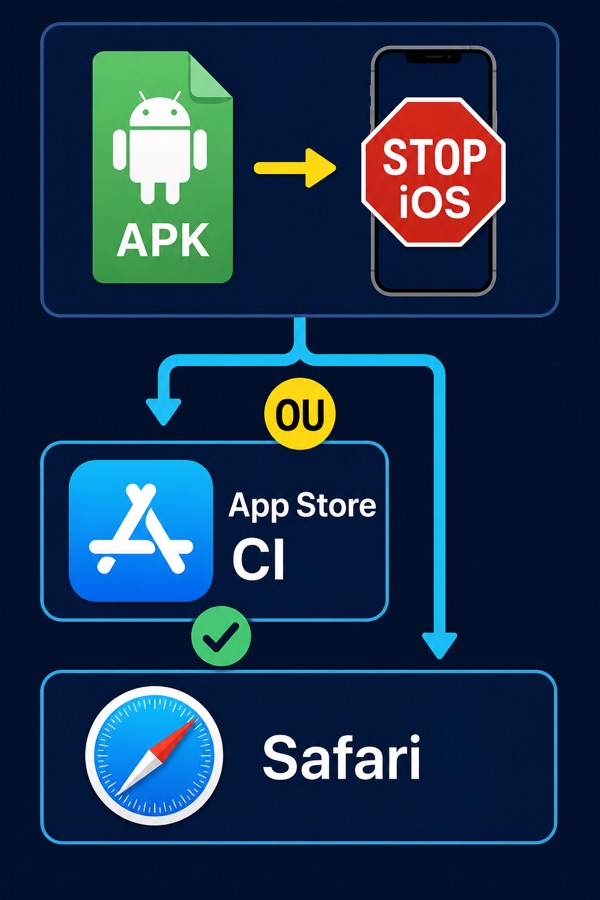
iPhone : App Store CI ou Safari, jamais APK
Sur iPhone, l'APK 1xBet ne fonctionne pas : un fichier APK est un format Android, et iOS en refuse 100 %. Le bon parcours compte 2 chemins. Chemin 1 : ouvrir la fiche « Paris Sportifs - 1xBet CI » sur l'App Store et vérifier que l'éditeur affiché est 1XCorp N.V. Chemin 2 : si la fiche n'apparaît pas dans votre région, passer par Safari et le site mobile 1xBet, sans rien installer.
Le raccourci mental: APK = Android. Sur iPhone, choisissez App Store CI ou Safari.
Réponse courte
Ne cherchez pas une APK iPhone
Une APK est un fichier Android. Sur iOS, le bon choix est de contrôler la fiche App Store CI ou de passer par le site mobile.
Chemin 1
Si l'app apparaît
Ouvrez Paris Sportifs - 1xBet CI et vérifiez que l'éditeur affiché est 1XCorp N.V..
Gardez Safari et le site mobile. Ne suivez pas un lien qui promet une APK, une IPA ou un profil iPhone sans source claire.
Identité1XCorp N.V.Le nom de l'éditeur aide à éviter les copies et les fiches imitées.CompatibilitéiOS 15.0+Si votre iPhone est plus ancien, privilégiez Safari.Version et taille255.0 - 256,1 MoComparez ces repères avec la fiche avant installation.Avis App Store≈ 3,58/513 618 notes sur la fiche CI. C'est un signal, pas une garantie.
Avant d'installer
Trois points à lire avant de décider
La fiche App Store CI est utile, mais elle ne remplace pas votre propre contrôle du compte Apple, de l'âge et des données déclarées.
Âge. La fiche CI affiche 18+; le lookup Apple retourne 17+. Gardez la règle la plus stricte.
Confidentialité. Le développeur déclare contenu utilisateur, identifiants, usage et diagnostic; Apple précise que ces informations ne sont pas vérifiées par Apple.
Région. Si la fiche n'apparaît pas dans votre App Store, n'insistez pas avec un fichier iPhone tiers: utilisez Safari.
Données App Store CI et iTunes lookup revérifiées le 19 juin 2026. La note Apple reste séparée des avis lecteurs de cette page.
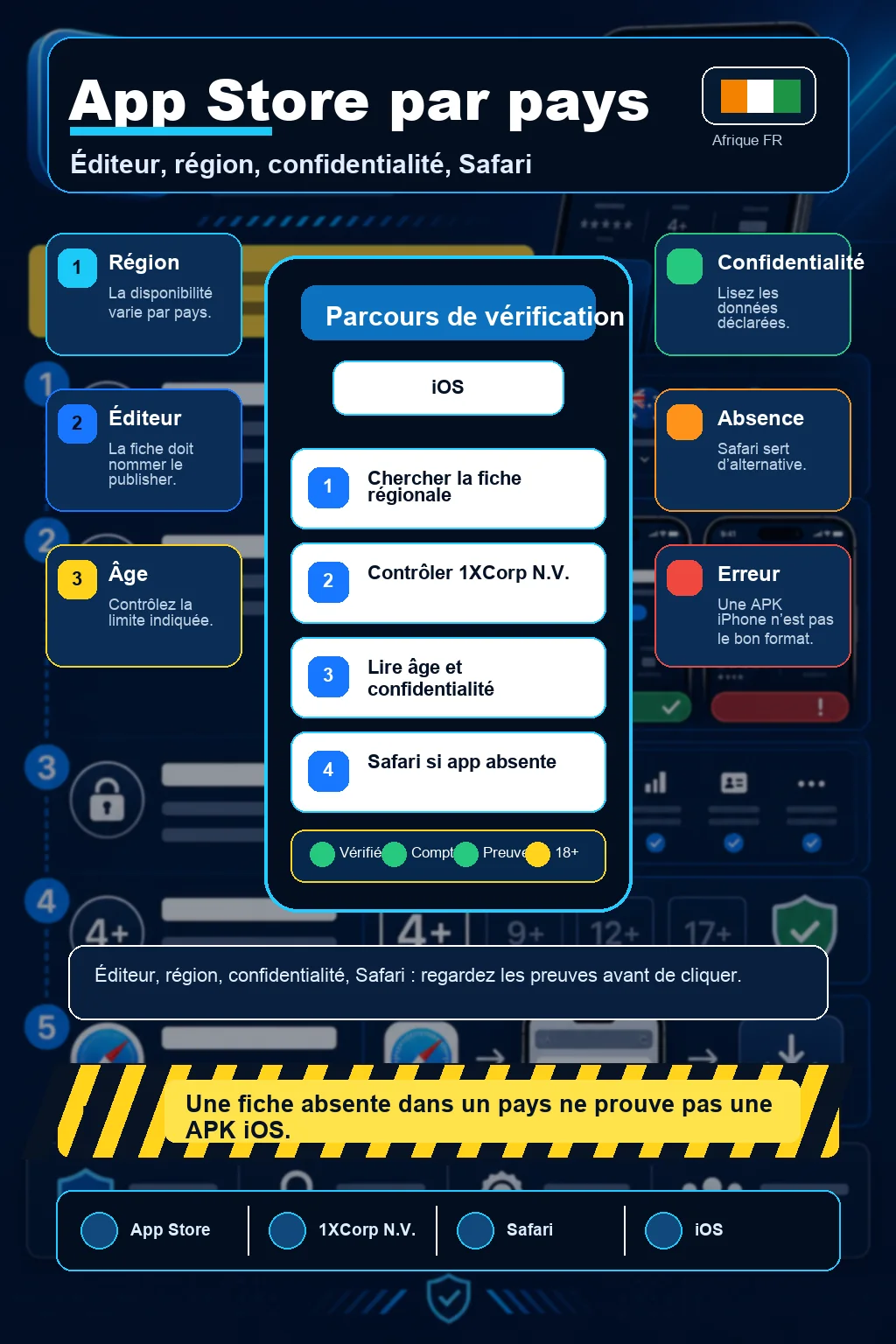
App Store par pays : éditeur, région, confidentialité et Safari
L'App Store peut varier selon le pays du compte Apple. L'utilisateur iPhone vérifie la région, l'éditeur, l'âge, la confidentialité déclarée et garde Safari comme accès de secours si l'app n'apparaît pas.
Sur iPhone, le pays du compte Apple décide ce que l'utilisateur voit. Safari reste l'alternative quand la fiche n'est pas disponible.
Contrôle iPhone
Ce que l'utilisateur vérifie
Décision
Région App Store
Le pays du compte Apple correspond au pays où l'utilisateur veut utiliser le service
Si la fiche manque, ne cherchez pas une APK iPhone
Éditeur
La fiche peut afficher 1XCorp N.V. ou un éditeur selon la boutique disponible
Comparer le nom avant installation
Compatibilité
La fiche CI exige iOS 15.0+ et affiche une taille de 256,1 Mo
Utiliser Safari si l'appareil est trop ancien
Confidentialité
La fiche peut déclarer contenu utilisateur, identifiants, usage et diagnostic
Lire les données avant connexion
Safari
Le site mobile ouvre le compte sans installer de fichier
Utiliser Safari si l'app est absente ou douteuse
App Store varie par pays. 1XCorp N.V. identifie certaines fiches iOS, mais les règles du compte, les paiements et le KYC restent à vérifier dans le compte utilisé.
Version mobile
Ouvrir 1xBet sans installer
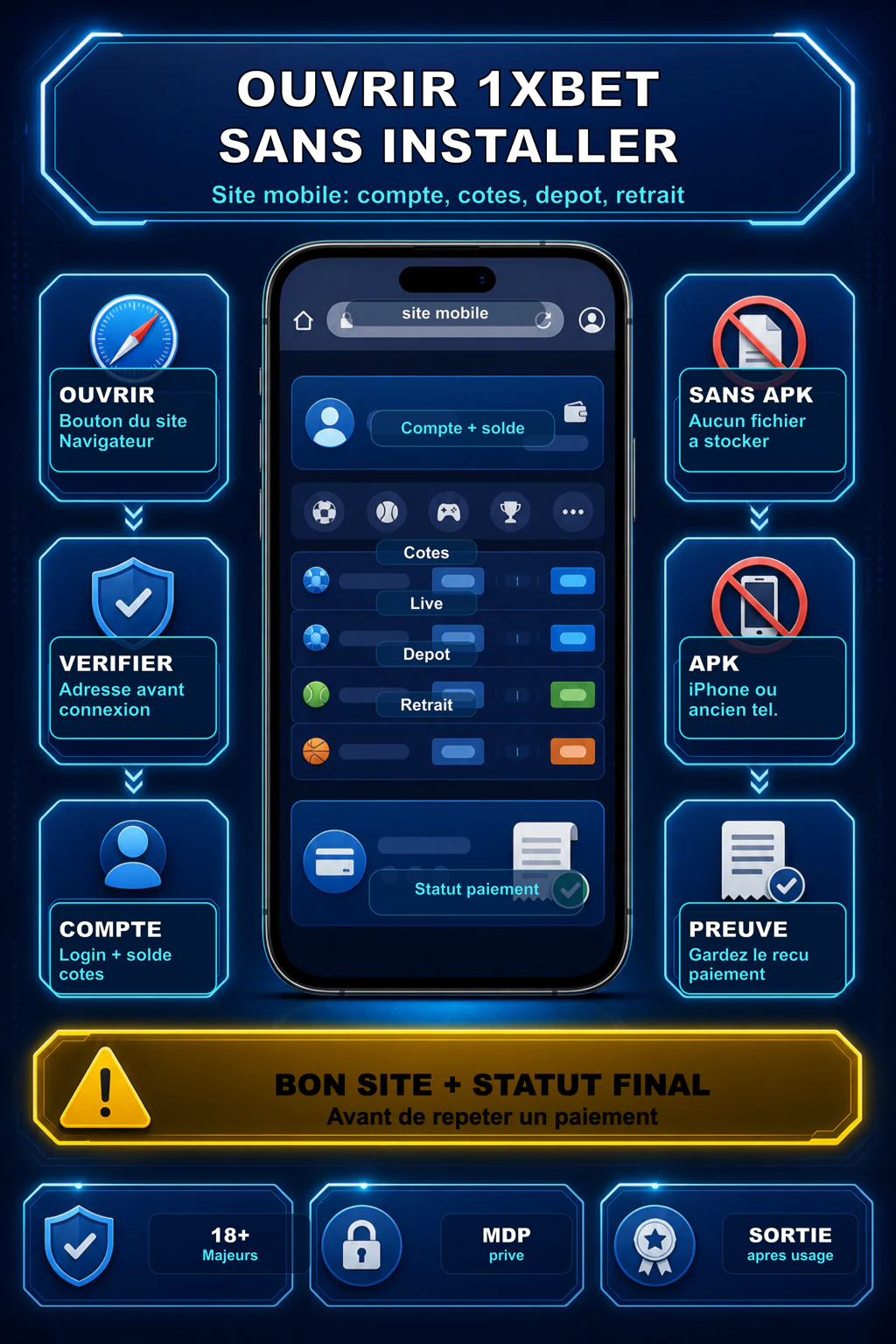
Le site mobile ouvre le compte 1xBet dans le navigateur sans fichier APK. Il permet de créer un compte, consulter le solde, lire les cotes, déposer, demander un retrait et vérifier une opération depuis le téléphone.
Cette option aide l'utilisateur qui possède un iPhone, un ancien Android, un espace de stockage limité ou une installation bloquée. Elle permet aussi de contrôler le compte sans ajouter une application au téléphone.
Le site mobile sert de parcours léger: aucun fichier à stocker, mais toujours vérifier le domaine, la session et le statut de paiement.
L'application Android regroupe les notifications, les favoris et l'accès rapide aux matchs en direct. Le site mobile réduit le risque lié au fichier, car le navigateur ouvre la session sans installer de paquet sur l'appareil.
Avant la connexion, l'utilisateur vérifie le domaine, évite les liens privés et refuse l'enregistrement du mot de passe sur un téléphone partagé.
Le bouton prévu ouvre le domaine à contrôler.
L'utilisateur vérifie l'adresse du site avant la connexion 1xBet.
L'utilisateur ferme la session 1xBet sur un appareil partagé.
L'utilisateur attend le statut final avant de répéter un paiement en attente.
Choix d'accès
Application, site mobile ou Safari : quel accès choisir selon le téléphone
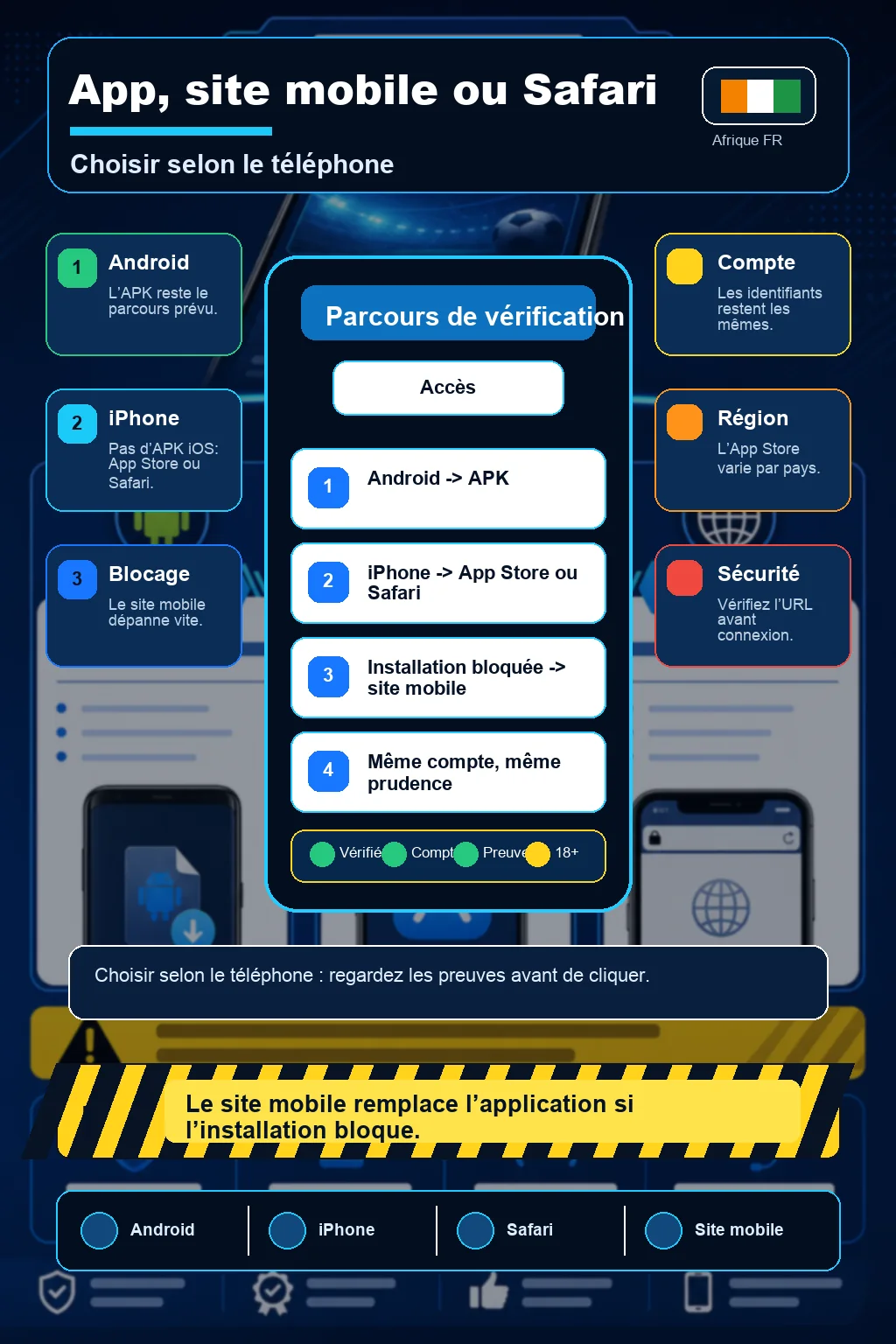
Le bon accès dépend du téléphone et du blocage rencontré. Android installe le fichier APK, iPhone utilise l'App Store ou Safari, et le site mobile remplace l'application quand l'installation bloque.
Le choix utile n'est pas toujours l'application: Android, iPhone, Safari et site mobile répondent à des cas différents.
Android récentL'utilisateur télécharge l'APK, vérifie le fichier et garde une seule version installée.iPhoneL'utilisateur passe par l'App Store disponible ou Safari. Un fichier APK ne s'installe pas sur iOS.Installation bloquéeLe site mobile remplace l'application si l'espace manque, si Play Protect bloque ou si la source n'est pas claire.
Situation
Accès conseillé
Contrôle avant connexion
Téléphone Android compatible
APK Android
Nom, taille, SHA-256, autorisation temporaire
iPhone avec app disponible
App Store
Éditeur, région, âge, confidentialité
iPhone sans app visible
Safari
Domaine ouvert par l'utilisateur et session fermée après usage partagé
Ancien Android ou stockage faible
Site mobile
Connexion stable, mot de passe non enregistré sur appareil partagé
Fichier douteux reçu par message
Site mobile puis nouveau téléchargement contrôlé
Supprimer l'ancien fichier et éviter les liens raccourcis
Inscription
Créer un compte 1xBet
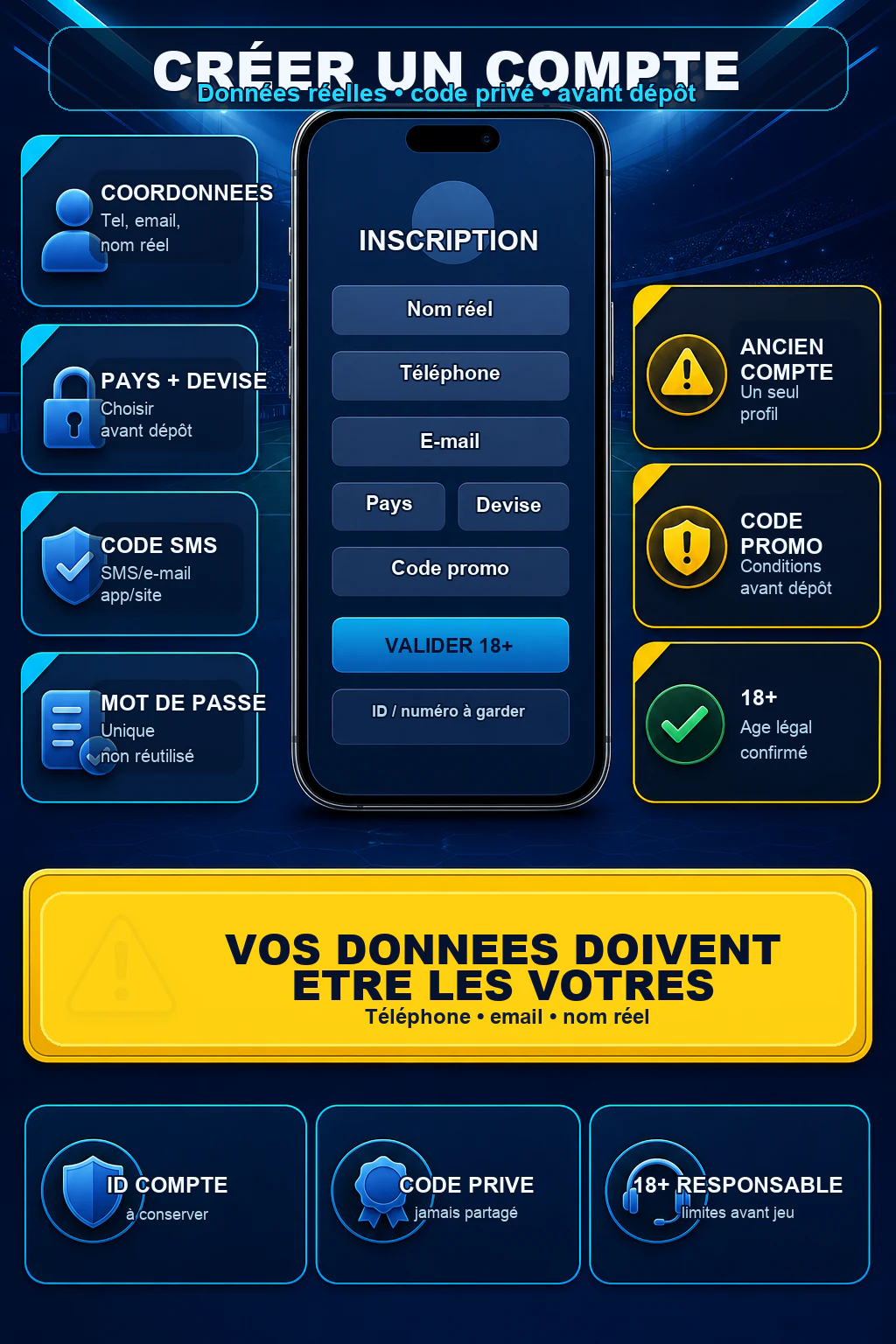
Le compte doit utiliser les informations réelles de l'utilisateur: téléphone, e-mail, nom, pays et devise. Ces données servent ensuite à récupérer l'accès, confirmer un retrait et répondre à une demande KYC.
Selon l'écran affiché, l'inscription peut passer par un clic rapide, un numéro de téléphone, un e-mail ou un compte social. Après une inscription en un clic, l'utilisateur conserve l'identifiant ou le numéro de compte pour la prochaine connexion.
Le pays et la devise déterminent les moyens de paiement, les limites, les bonus possibles et les documents demandés. Pour une inscription par téléphone, l'utilisateur valide le compte avec le code SMS uniquement dans l'application 1xBet ou le site ouvert par lui-même.
L'inscription relie identité, pays, devise, code SMS et mot de passe. Une erreur dans ces champs peut bloquer la récupération du compte ou le retrait.
L'utilisateur utilise un mot de passe unique pour le compte 1xBet. Un mot de passe repris d'une messagerie, d'un réseau social ou d'un autre site expose le compte si ce service est compromis.
Si un code promo ou un bonus de bienvenue est proposé, le champ promo peut modifier l'offre, le dépôt minimum, les règles de mise ou la validité régionale. Le bonus n'ajoute pas de garantie de gain.
L'utilisateur ouvre l'application ou le site contrôlé.
Le formulaire propose un clic rapide, un téléphone, un e-mail ou un compte social selon disponibilité.
Les coordonnées réelles, le pays et la devise sont saisis avant validation.
Le téléphone ou l'e-mail reçoit un code si le compte demande une confirmation.
Les codes privés restent dans l'application ou le site ouvert par l'utilisateur.
Connexion
Se connecter au compte 1xBet
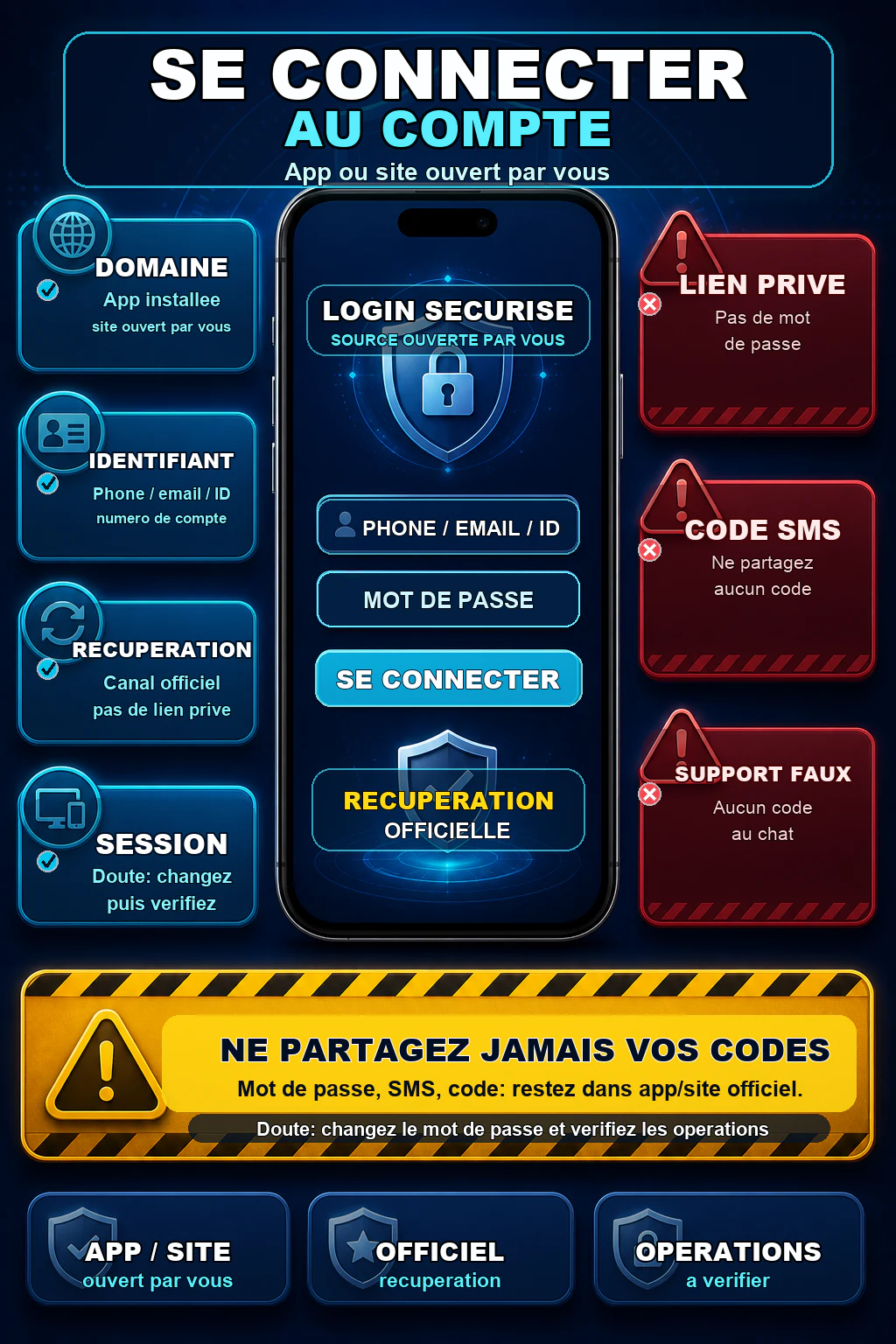
La connexion doit partir de l'application installée ou du site que l'utilisateur a ouvert lui-même. Un lien privé reçu dans un message peut envoyer vers une fausse page et exposer le mot de passe.
Le compte 1xBet peut accepter un téléphone, un e-mail, un identifiant ou un numéro de compte selon la méthode choisie à l'inscription. En cas de perte d'accès, la récupération officielle doit remplacer les groupes privés et les intermédiaires.
La connexion sûre relie trois contrôles: domaine ouvert par l'utilisateur, identifiant reconnu par le compte et code de sécurité gardé privé.
Le mot de passe, le code SMS et le code de vérification donnent accès au compte. Un support légitime ne doit pas demander ces codes pour résoudre un paiement, un retrait ou un ticket.
Si une mauvaise page a reçu le mot de passe, l'utilisateur doit changer ce mot de passe depuis un accès sûr, vérifier les opérations récentes et fermer les sessions ouvertes sur les appareils partagés.
L'utilisateur vérifie le domaine avant la saisie du mot de passe.
L'utilisateur garde le code SMS privé.
L'utilisateur utilise un mot de passe unique pour ce compte.
L'utilisateur ferme la session sur un appareil partagé.
Paris & marchés
Paris sportifs, live et fonctions de jeu
Une fois l'application ouverte, l'intérêt ne se limite pas au téléchargement. Le parcours utilisateur continue avec les cotes, le coupon de pari, les événements en direct, les favoris et les limites du compte. L'utilisateur vérifie toujours les règles affichées dans l'application avant de valider une mise.
Le compte 1xBet affiche les fonctions disponibles selon le pays, la compétition, le profil et l'événement. Un marché visible aujourd'hui peut disparaître demain; le cash out apparaît sur certains tickets et reste absent sur d'autres.
Avant de valider une mise live, relisez le score, le marché choisi, la cote, le coupon et le risque de perte.
Paris en direct
Suivez les événements live, contrôlez le score, la cote et le temps de jeu avant d'ajouter une sélection au coupon.
Cash out
Le cash out affiche parfois une option pour clôturer un ticket avant la fin. Le cash out affiche aussi un montant proposé qui change selon l'évolution de l'événement.
Sports virtuels
L'utilisateur limite le budget sur football virtuel, courses et autres formats rapides.
eSports
Les marchés eSports demandent de vérifier le jeu, la compétition, le format du match et la source du résultat.
Coupon de pari
L'utilisateur contrôle la mise, la devise, le type de pari, les cotes et les conditions bonus avant validation.
Favoris et alertes
Les favoris aident à retrouver un match; l'utilisateur contrôle les notifications et peut les désactiver.
Intention
Où regarder dans l'app
Contrôle utile
Football et sports populaires
Accueil, Sports, Top Live
Compétition, heure, marché sélectionné
Marchés de pari
Page d'un match, liste des cotes
1X2, double chance, handicap, total, score exact selon disponibilité
Cash out
Ticket ou historique du pari
Montant proposé, statut du match, frais ou restriction éventuelle
L'utilisateur ne valide pas un pari uniquement parce qu'une cote paraît élevée. Il contrôle le marché exact, la mise, le statut du bonus et le risque de perte.
Football & coupon
Paris en Afrique francophone : football, CAF, live score et coupon
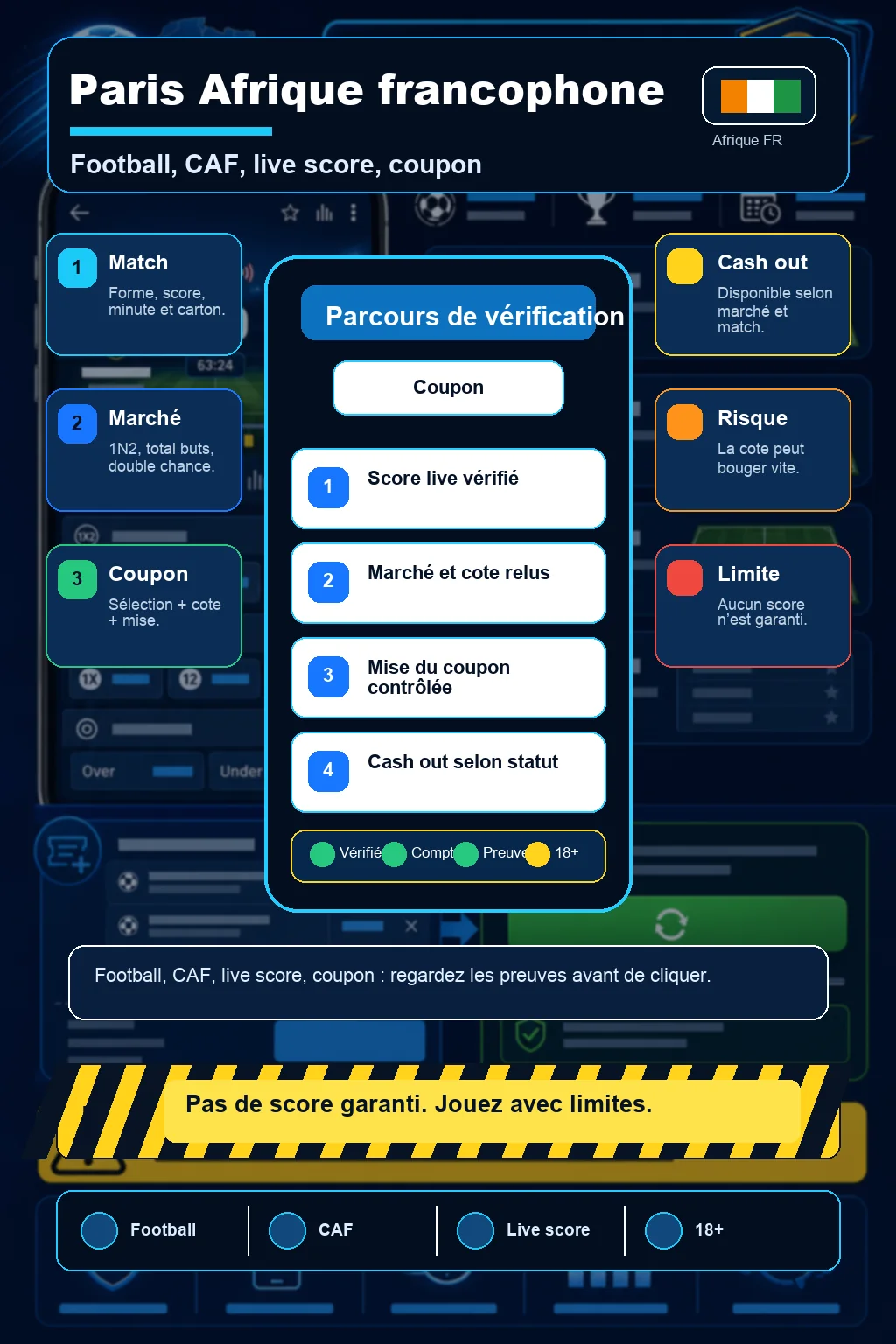
En Afrique francophone, le football concentre une grande partie de l'usage mobile. L'utilisateur vérifie le match, le score live, le marché, la cote, la mise et le coupon avant de confirmer.
Le coupon live se lit dans l'ordre: score, marché, cote, mise, confirmation. Aucun score n'est garanti.
Compétition
L'utilisateur identifie le tournoi, le pays, le club ou la sélection avant de lire les cotes.
Score live
Le score, le temps de jeu et les cartons peuvent changer la cote avant validation.
Marché
1X2, double chance, total buts, handicap et score exact ne portent pas le même risque.
Coupon
Le coupon contient la sélection, la cote, la mise, la devise et le gain possible.
Cash out
Le cash out dépend du marché, du statut du match et du montant proposé.
Limite
Un pronostic, un live score ou une image ne garantit jamais le résultat sportif.
L'utilisateur ne doit pas valider un coupon parce qu'une page promet un score exact. Le coupon 1xBet affiche une sélection, pas une certitude.
Jeux crash
Jeux crash dans l'application 1xBet : Aviator, JetX et CricX
Les jeux crash reposent sur un multiplicateur qui grimpe puis s'arrête à un instant imprévisible : le joueur retire avant l'arrêt ou perd sa mise. Chaque jeu est fourni par un éditeur tiers et propose un mode démo pour comprendre le fonctionnement avant de miser du réel.
Aviator
Éditeur : Spribe
Un avion décolle et le multiplicateur monte ; on encaisse (cash out) avant qu'il s'envole, sinon la mise est perdue.
Mode démo disponible
JetX
Éditeur : SmartSoft Gaming
Un jet grimpe et le multiplicateur augmente jusqu'au crash ; retrait manuel ou automatique selon le réglage.
Mode démo disponible
CricX
Éditeur : SmartSoft Gaming
Variante crash sur thème cricket : même principe de multiplicateur croissant et de retrait avant l'arrêt.
Mode démo disponible
Jeux d'argent réservés aux 18 ans et plus. Le résultat est aléatoire et non prévisible ; fixez une limite de mise et de durée. Aucun gain n'est garanti.
Paiements
Dépôt, retrait et KYC 1xBet: quoi vérifier avant l'argent
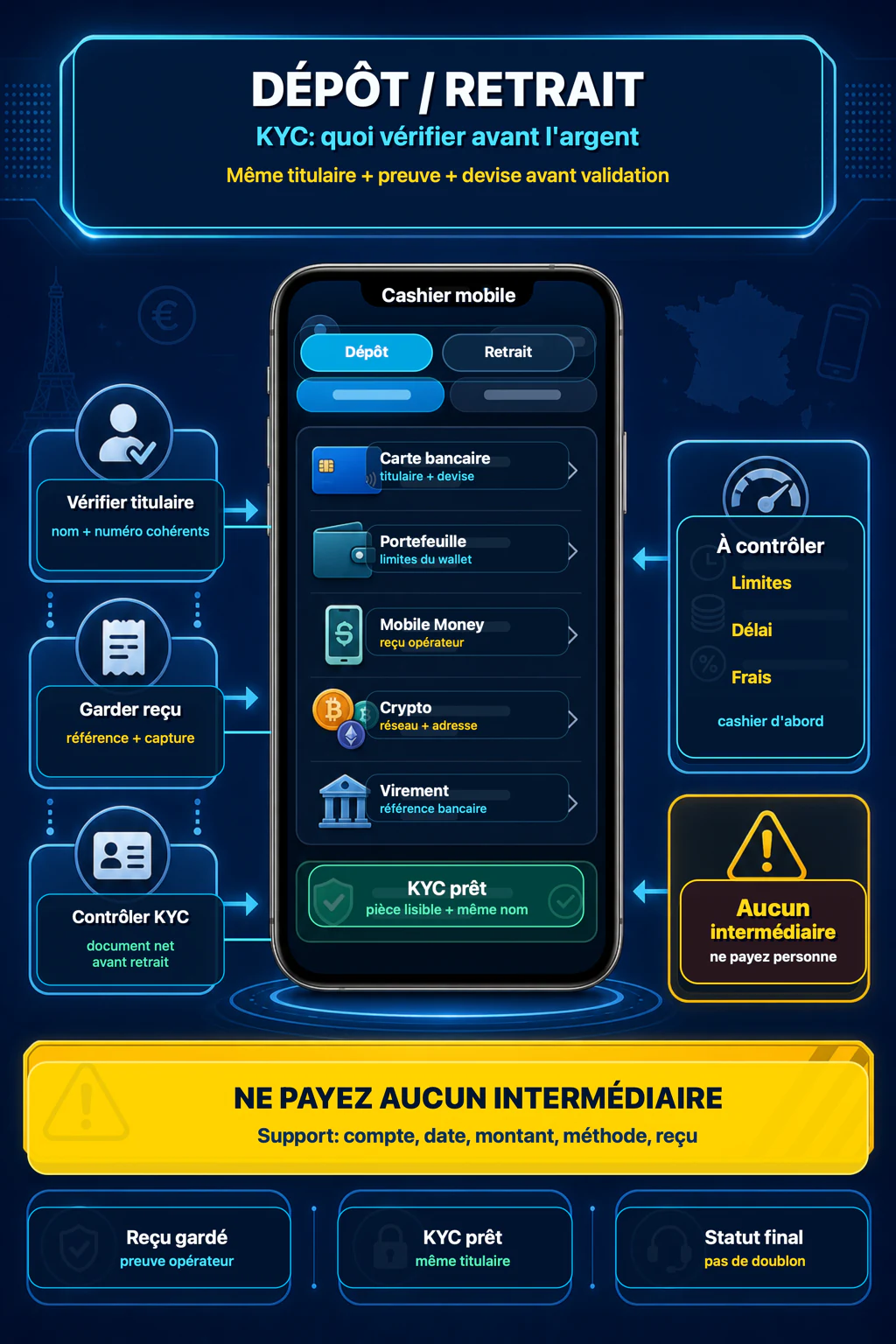
Le bon réflexe n'est pas de chercher le moyen le plus rapide. C'est de garder le même titulaire, la preuve de paiement et le statut KYC prêts avant le premier retrait.
L'utilisateur prépare la caisse avant le dépôt: méthode, titulaire, reçu, preuve et documents KYC restent cohérents jusqu'au retrait.
Le parcours sûr en trois contrôles
1xBet affiche les moyens disponibles dans le compte. Avant de valider, contrôlez le montant, la devise, la méthode et les documents qui peuvent être demandés.
Règle pratiqueL'utilisateur garde le même numéro, le même nom et une méthode de retrait cohérente avec le dépôt. Sinon, le contrôle KYC peut ralentir la sortie.
Avant dépôtVérifier devise, montant, frais affichés, solde opérateur et numéro de téléphone exact.Pendant l'opérationGarder reçu, référence, capture de confirmation et ne pas relancer tant que le statut reste en attente.Avant retraitPréparer pièce d'identité, même titulaire, preuve de dépôt et conditions bonus terminées.
Méthodes à comparer
Le cashier reste la source finale, mais ces catégories ferment les questions les plus fréquentes.
CarteVisa/Mastercard, nom du titulaire, plafond bancaire, délai affiché.
E-walletSkrill, Neteller, ecoPayz ou identifiant similaire, limites du portefeuille.
Mobile MoneyOrange Money, MTN MoMo, Wave, Moov Money, Airtel Money ou M-Pesa quand proposés.
CryptoRéseau exact, adresse copiée sans erreur, confirmations blockchain.
BanqueIBAN/RIB, référence de paiement, jours ouvrables et titulaire identique.
Blocages les plus utiles à prévenir
Un retrait lent vient souvent d'un détail qui aurait pu être contrôlé avant dépôt.
KYCNom légal, date de naissance, adresse et document lisible peuvent être demandés.
BonusUn wagering incomplet peut retenir le solde bonus avant le retrait.
TéléphoneUn numéro non vérifié ou différent du compte peut créer un blocage Mobile Money.
IntermédiaireNe jamais payer une personne qui promet de débloquer le retrait.
SupportEnvoyer compte, date, montant, méthode, reçu et numéro de transaction.
Cas utilisateur
Signal d'alerte
Action utile
Dépôt Mobile Money en attente
SMS reçu mais solde non crédité
Garder le reçu, attendre le statut final, contacter support avec référence
Retrait refusé
Méthode différente ou profil incomplet
Revenir à une méthode cohérente et compléter les documents demandés
Carte ou e-wallet
Nom ou devise incohérents
Contrôler titulaire, plafond, devise et délai avant nouvel essai
Crypto
Réseau ou adresse incertains
Vérifier réseau, adresse, montant et confirmations avant support
Retrait Mobile Money 1xBet : même titulaire, même méthode, preuves
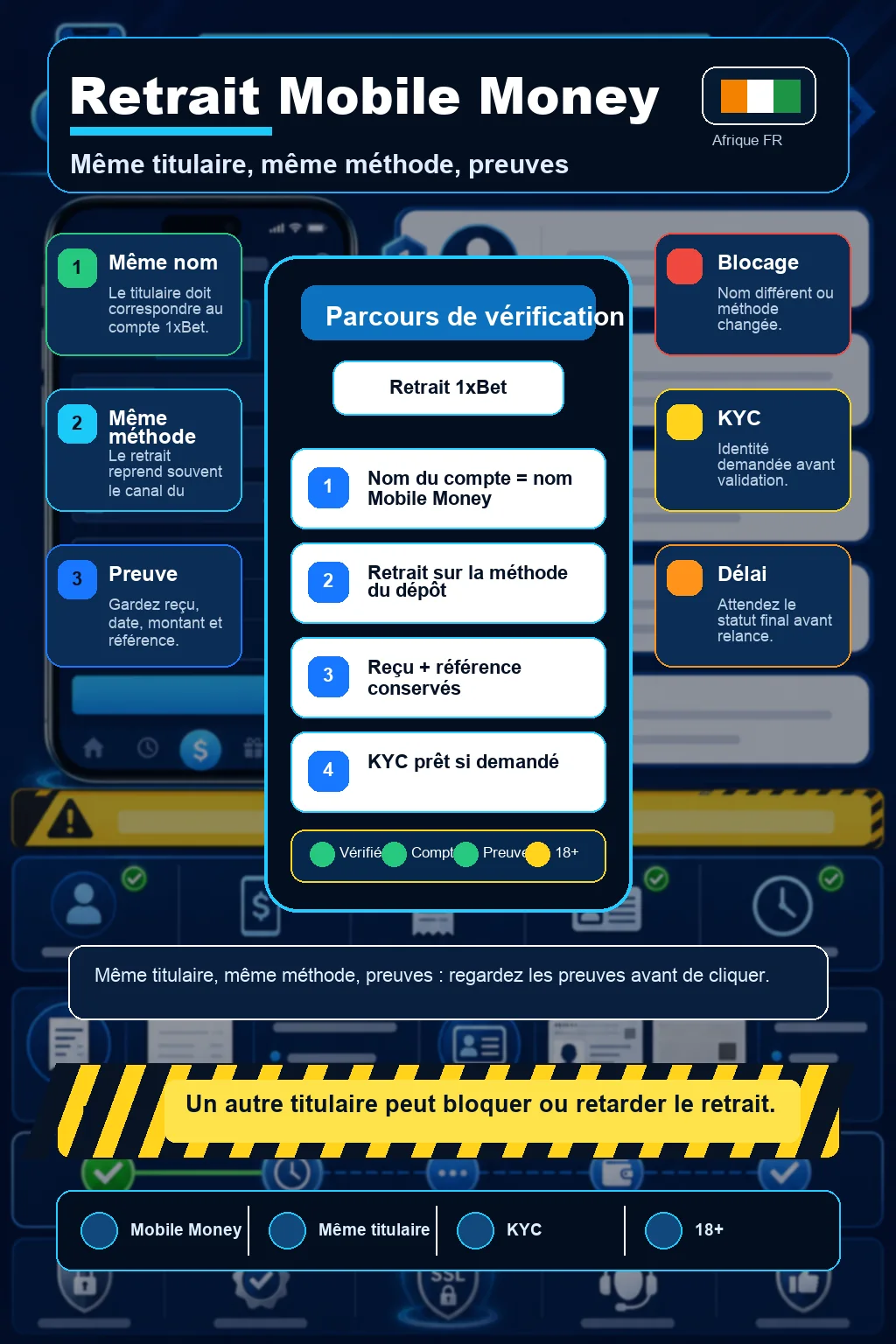
Un retrait Mobile Money dépend de la cohérence entre le compte, le titulaire du moyen de paiement et les preuves conservées. L'utilisateur prépare le même nom, la même méthode et le reçu avant de demander un retrait.
Le retrait Mobile Money se prépare avant le dépôt: même titulaire, même méthode, reçu lisible et documents KYC prêts.
Pourquoi le retrait peut rester bloqué
Le blocage vient souvent d'un nom différent, d'une méthode changée, d'un reçu manquant, d'un bonus non terminé ou d'un document KYC illisible.
Triplets à retenirUtilisateur prépare même nom. Retrait Mobile Money exige preuve de paiement. KYC vérifie titulaire du compte.
Même titulaireLe nom du compte, du wallet et du document doit rester cohérent.Même méthodeLe retrait peut demander une méthode cohérente avec le dépôt initial.Preuve gardéeLe reçu opérateur, la date, le montant et la référence accélèrent le support.
Cause fréquente
Signal visible
Action avant support
Nom incohérent
Compte, wallet ou document au nom différent
Préparer une pièce lisible et utiliser un moyen de paiement personnel
Méthode changée
Dépôt par Mobile Money, retrait demandé ailleurs
Vérifier si la même méthode est requise dans la caisse
Bonus non terminé
Solde affiché mais montant non retirable
Contrôler wagering et statut du bonus avant réclamation
Preuve absente
Support demande reçu ou référence
Envoyer montant, date, opérateur et numéro de transaction
KYC en attente
Retrait retardé avant validation d'identité
Fournir document net, complet et cohérent avec le profil
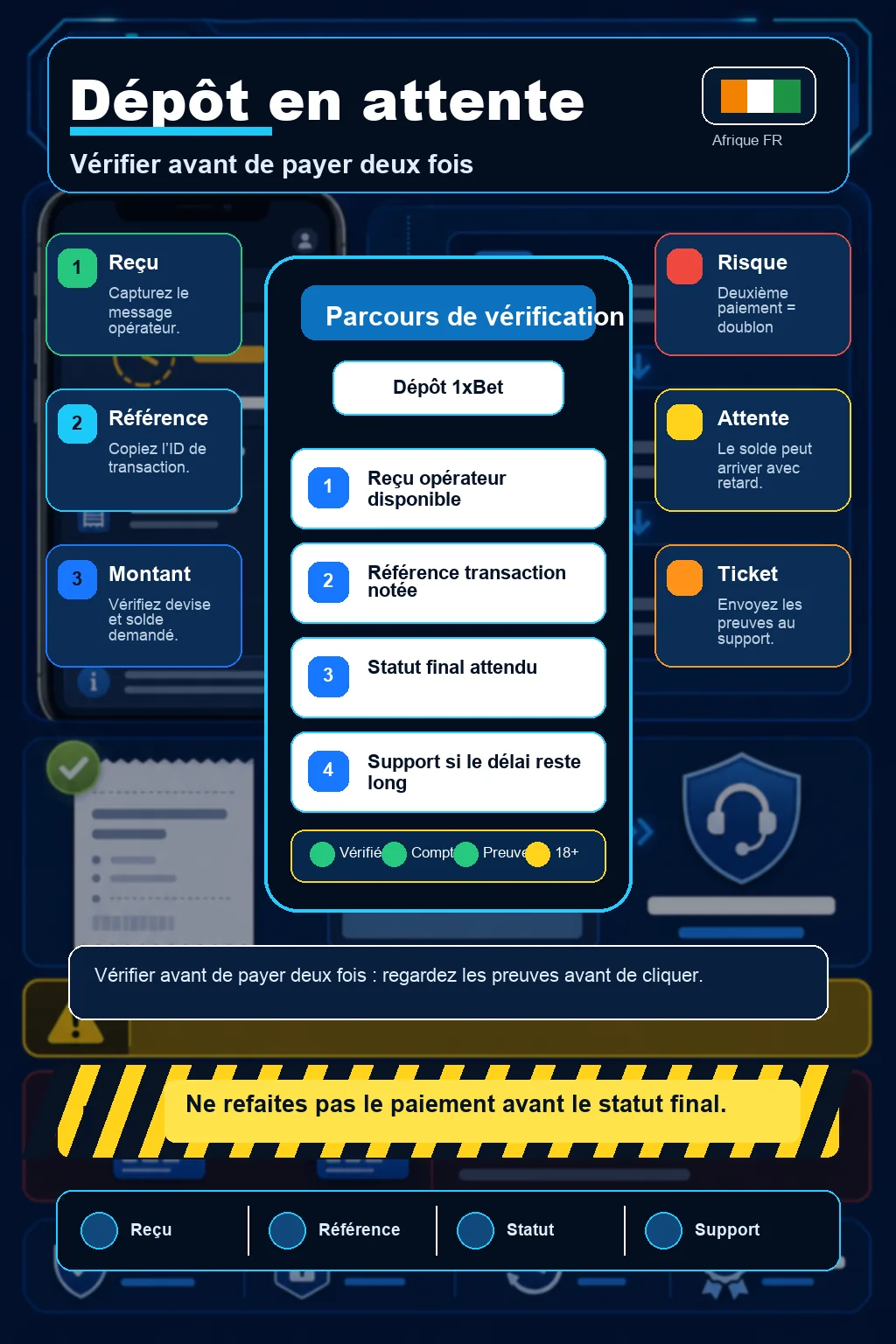
Paiement en attente
Dépôt 1xBet en attente : quoi vérifier avant de payer deux fois
Un dépôt en attente ne signifie pas toujours que l'argent est perdu. Le dépôt en attente demande le reçu opérateur, le numéro de transaction et l'attente du statut final avant de répéter l'opération.
Avant de payer deux fois, l'utilisateur vérifie le reçu, la référence, le numéro et le statut final du dépôt.
Étape
Contrôle utile
Pourquoi attendre
Juste après paiement
Conserver le reçu opérateur, la date, le montant et le numéro
Le support demande une preuve si le solde ne change pas
Statut en attente
Vérifier si le compte affiche pending, processing ou aucun statut
Le crédit peut arriver après le SMS opérateur
Avant nouvel essai
Comparer montant, méthode et numéro utilisé
Un double paiement crée un second problème à résoudre
Support
Envoyer ID compte, référence, méthode, reçu et heure
Le dossier devient vérifiable sans exposer de code privé
Double paiement crée risque de doublon. L'utilisateur attend le statut final et ne partage jamais code SMS, mot de passe ou document privé dans un groupe.
Support
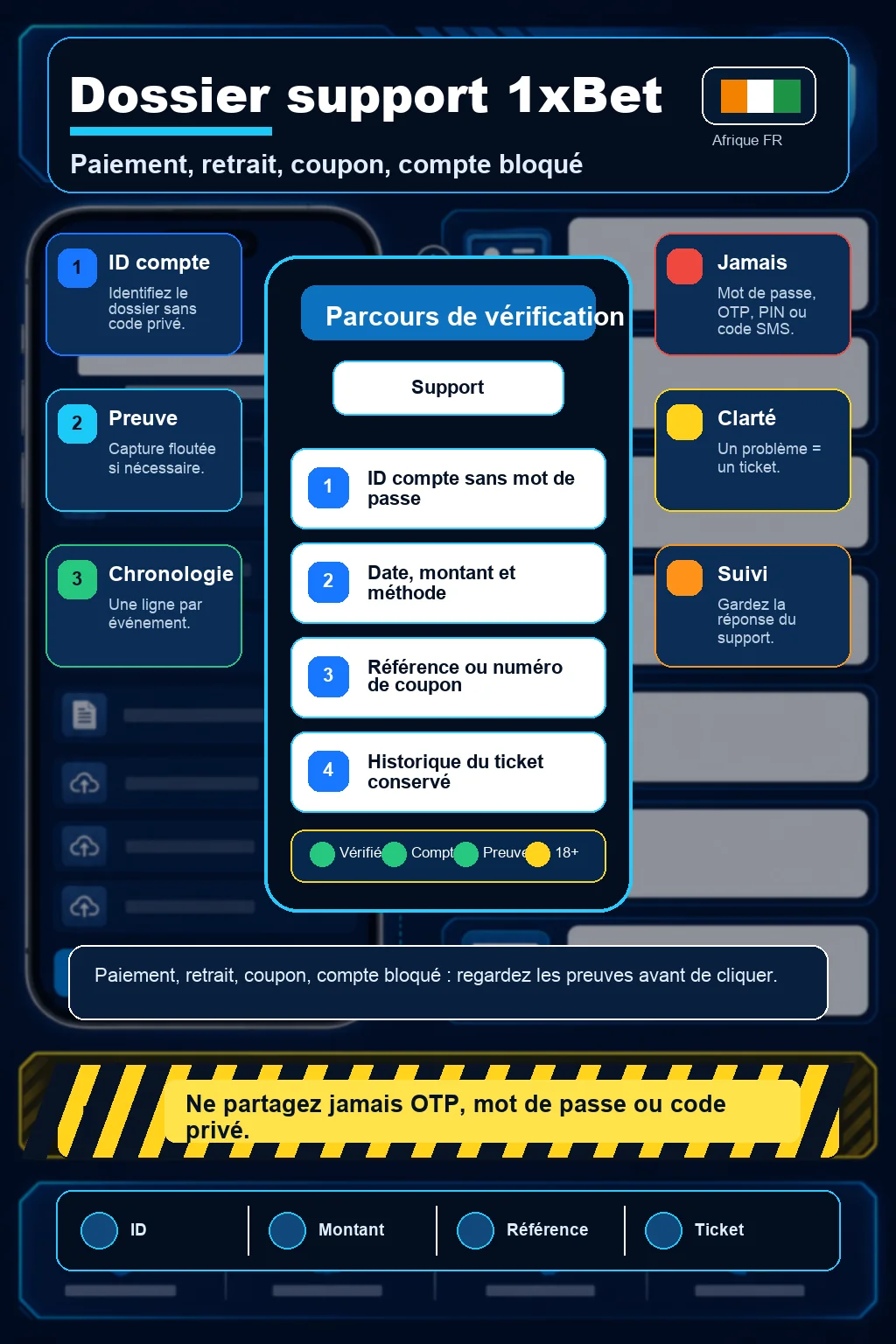
Dossier support 1xBet : paiement, retrait, coupon ou compte bloqué
Le support traite plus vite un problème quand le dossier contient des faits simples. L'utilisateur fournit l'ID du compte, la date, le montant, la méthode, la référence et une capture du ticket si le problème concerne un pari.
Un dossier support utile contient des preuves factuelles; il ne contient jamais mot de passe, code SMS ou document envoyé à un inconnu.
CompteID compte, e-mail ou téléphone de récupération sans afficher de code privé.ArgentDate, montant, devise, méthode, reçu et numéro de transaction.PariCapture du coupon, sélection, cote, statut du ticket et heure du match.
Problème
Données à préparer
À ne pas envoyer
Dépôt non crédité
ID compte, reçu, référence, date, montant, opérateur
Code OTP ou mot de passe
Retrait bloqué
Méthode, titulaire, statut KYC, preuve de dépôt, conditions bonus
Document dans un groupe privé
Coupon contesté
Ticket, sélection, cote, heure, statut du match
Capture floue ou coupée
Compte bloqué
Moyen de récupération, dernier accès sûr, appareil utilisé
Accès remis à un intermédiaire
Autorisations Android
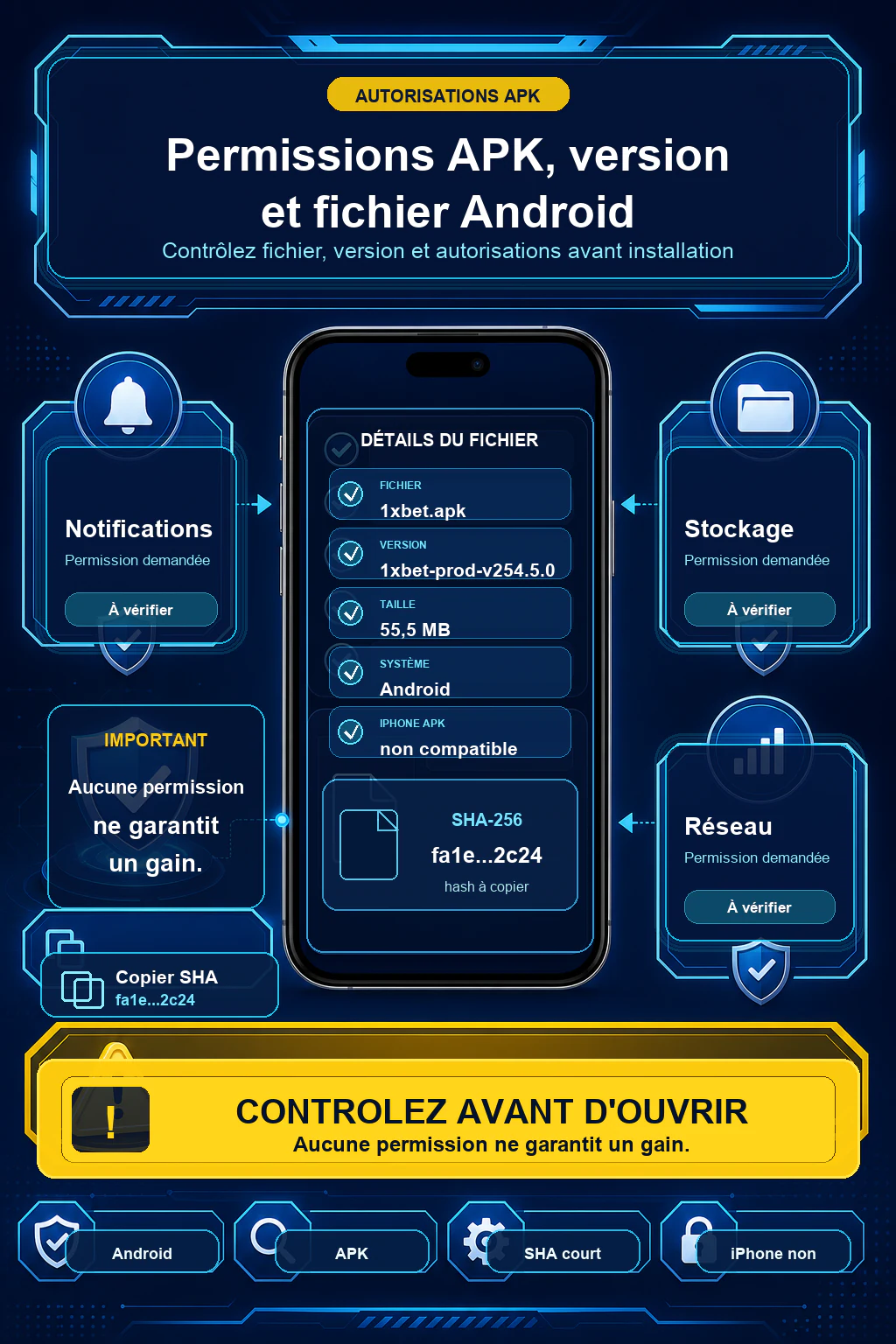
Permissions APK, version et fichier Android
Avant l'installation, l'utilisateur contrôle 6 éléments qui décident de la sécurité du fichier 1xBet : le nom de l'APK (1xbet.apk), la version (1xbet-prod-v257.0.74), la taille (44,9 Mo), la compatibilité (Android 7.0 ou plus), l'autorisation temporaire d'installation et l'empreinte SHA-256 affichée sur cette page. Une permission Android donne un accès au téléphone ; elle ne promet ni gain ni retrait, donc seul le contrôle du fichier protège l'appareil.
Une permission donne un accès au téléphone; elle ne donne ni avantage de pari ni garantie de retrait. Le contrôle utile porte sur fichier, version, taille, système et SHA.
Navigateur ou gestionnaire de fichiers autorisé temporairement
iPhone
APK non compatible, Safari ou App Store selon région
Permissions à vérifier
Les notifications servent seulement aux alertes de match et doivent rester désactivables.
Le stockage sert à ouvrir le fichier téléchargé et ne doit pas justifier une APK inconnue.
Le réseau sert à charger connexion, cotes, solde et caisse depuis le compte.
Aucune permission ne garantit un gain, un cash out ou un retrait.
Quoi de neuf
Quoi de neuf dans 1xBet 257.0.74
La version 1xbet-prod-v257.0.74, vérifiée le 8 juillet 2026, apporte 4 changements principaux : des corrections de stabilité générales, des améliorations sur Aviator et les paris en direct, un chargement des cotes plus rapide et une caisse optimisée pour les dépôts et retraits Mobile Money. Le fichier actuel mesure 44,9 Mo et demande Android 7.0 ou plus. La liste ci-dessous détaille chaque nouveauté du build 257.0.74.
Corrections de stabilité générales de l'application.
Améliorations de l'application (Aviator et paris en direct).
Chargement des cotes plus rapide.
Optimisation de la caisse : dépôts et retraits Mobile Money.
Versions
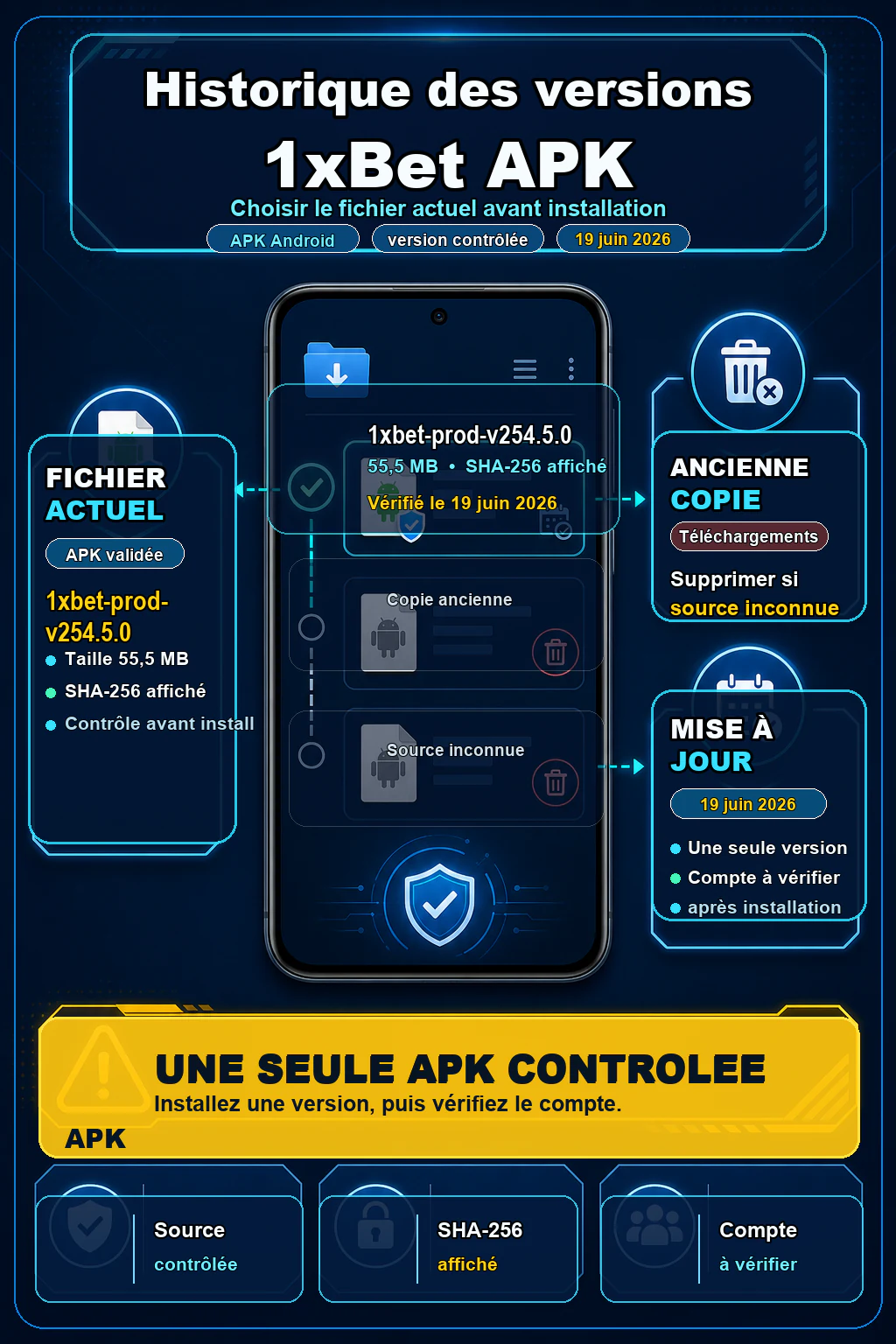
Fichier actuel vérifié et repères de version
La page 1xBet affiche 4 repères à contrôler avant toute installation : le fichier servi (1xbet.apk), la version exacte (1xbet-prod-v257.0.74), la taille (44,9 Mo) et l'empreinte SHA-256 complète. Ces 4 valeurs permettent de distinguer le fichier actuel d'une ancienne copie laissée dans Téléchargements : si le nom, la date ou l'empreinte ne correspondent plus, l'utilisateur supprime la copie et retélécharge depuis le bouton principal.
L'utilisateur compare le fichier actuel avec quatre repères: nom du fichier, version, taille et SHA avant installation.
Repère
Valeur contrôlée
Action conseillée
Fichier actuel
1xbet-prod-v257.0.74, 44,9 MB, SHA-256 affiché sur la page
L'utilisateur télécharge depuis le bouton principal et compare la valeur avant ouverture
Ancienne copie
Fichier déjà présent dans Téléchargements
L'utilisateur supprime l'ancienne APK si la source, la date ou le nom du fichier ne sont plus clairs
Mise à jour
Dernière vérification technique le 8 juillet 2026
L'utilisateur installe une seule version, ouvre le compte, puis vérifie solde, connexion et accès au site mobile
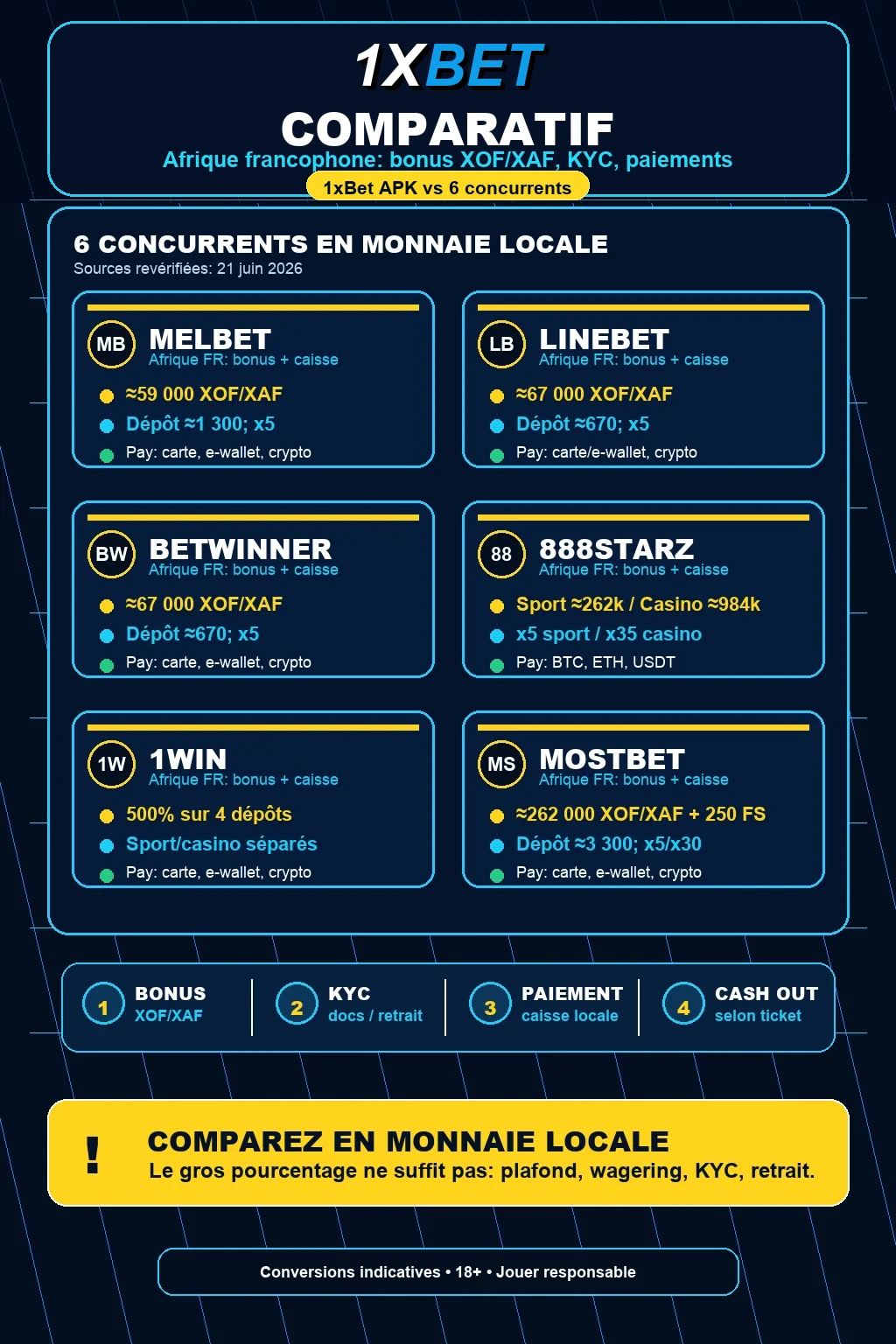
Comparatif bookmakers
Comparatif bookmakers: bonus, app, KYC et cash out
Le comparatif oppose 1xBet à 6 concurrents actifs en Afrique francophone : Melbet, Linebet, Betwinner, 888starz, 1win et Mostbet. Chaque bookmaker est lu sur 5 critères identiques : le bonus converti en XOF ou XAF, la règle de wagering, l'accès mobile (APK, app ou site), le paiement local en Mobile Money et les conditions de retrait avec vérification KYC. Le plus gros pourcentage affiché ne gagne pas toujours : le bonus net après wagering compte davantage.
Le comparatif sert à lire le bonus en équivalent XOF/XAF avec KYC, paiement local et retrait, pas seulement le plus gros pourcentage affiché.
Option
Quand l'utiliser
Point à contrôler
APK Android
Installation directe sur téléphone Android
Nom du fichier, taille, SHA-256, source
iPhone
App Store CI si disponible, sinon Safari
Vérifier l'éditeur 1XCorp N.V., la version 255.0 et la région du compte
Site mobile
Accès léger sans fichier à stocker
Domaine, connexion, preuve de paiement
Regarder le bonus netUn gros pourcentage vaut moins qu'un plafond clair, un dépôt minimum lisible et un x5 ou x30 compréhensible.Préparer le retraitKYC, même méthode de paiement et documents peuvent compter davantage que la promesse d'inscription.Choisir l'accès mobileAPK, iOS, PWA ou site mobile: le bon choix dépend du téléphone et de la région du compte.
Bookmaker
App / site
Équivalent XOF/XAF
KYC
Paiements utiles Afrique FR
Live / cash out
Restriction utile
MelBet
Android, iOS, site mobile
≈ 59 000 XOF/XAF; dépôt min ≈ 1 300; x5
Vérification possible
Caisse locale à contrôler; carte, e-wallet ou crypto si affichés
Live + Cash Out
3 sélections, cote 1.40+, 30 jours
Linebet
Android, iOS, site mobile
≈ 67 000 XOF/XAF; dépôt min ≈ 670; x5
ID si demandé
Caisse locale à contrôler; retrait par méthode cohérente
Live betting + retrait
3 sélections, cote 1.40+
Betwinner
Android, iOS, site mobile
≈ 67 000 XOF/XAF; dépôt min ≈ 670; x5
ID si demandé
Caisse locale à contrôler; reprendre la méthode de dépôt
Caisse locale à contrôler; méthode locale avant retrait
Cash Out Bet Buyback
Retrait min ≈ 6 600 XOF/XAF
Six concurrents à vérifier avant dépôt
Les cellules affichent une valeur sourcée et relue pour l'Afrique francophone: équivalent XOF/XAF, règle de bonus, application ou site, paiement utile, KYC, live/cash out et restriction pratique.
Sources revérifiées le 21 juin 2026. Les montants sources étrangers sont normalisés en XOF/XAF pour l'Afrique francophone. Les moyens de paiement doivent être relus dans la caisse locale du compte avant dépôt; les conversions restent indicatives.
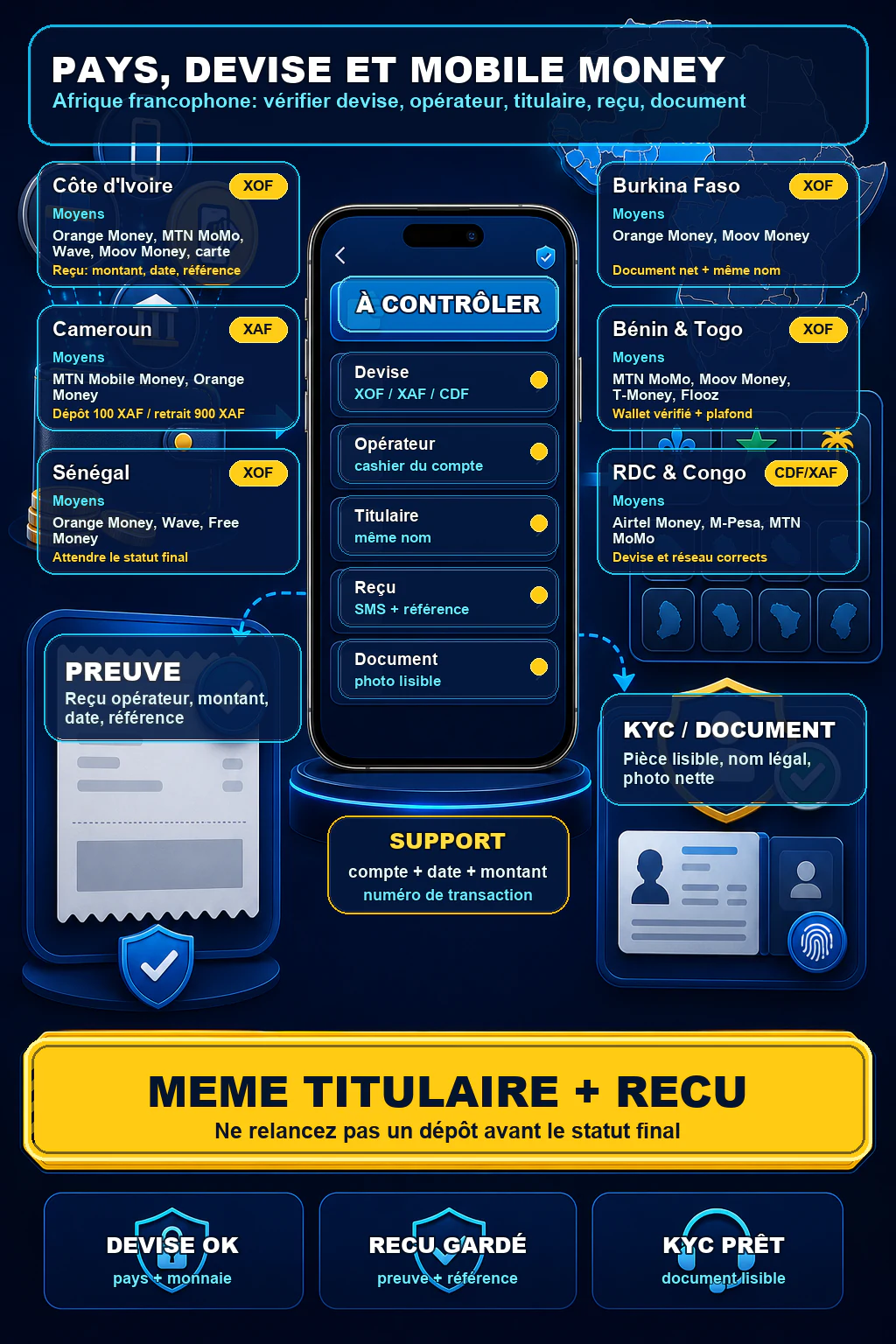
Pays, devise et Mobile Money en Afrique francophone
Le contrôle d'un paiement 1xBet change selon le pays : la page couvre 8 pays francophones, dont la Côte d'Ivoire (XOF), le Cameroun (XAF), le Sénégal (XOF) et la RDC (CDF). Dans chaque pays, l'utilisateur vérifie 5 points avant de déposer : la devise du compte, l'opérateur Mobile Money disponible (Orange Money, MTN MoMo, Wave ou Moov), le nom du titulaire, le reçu opérateur et le document d'identité accepté au KYC.
Selon le pays, vérifiez devise, opérateur, titulaire, reçu et document avant de relancer un dépôt ou demander un retrait.
Côte d'Ivoire XOF
À contrôler avant dépôt local.
Moyens
Orange Money, MTN MoMo, Wave, Moov Money, carte
Risque
Numéro Mobile Money ou nom du titulaire incohérent
Preuve
Reçu opérateur, montant, date, référence
Cameroun XAF
Le guide 1xBet Cameroon cite MTN et Orange Money.
Moyens
MTN Mobile Money, Orange Money, carte, méthodes directes
Repère
MTN/Orange: dépôt 100 XAF, retrait 900 XAF sur la fiche Cameroon
Preuve
Numéro vérifié, SMS, reçu, méthode identique
Sénégal XOF
Le cashier doit confirmer les options du compte.
Moyens
Orange Money, Wave, Free Money, carte ou e-wallet
Risque
Transaction répétée avant statut final
Preuve
Capture du paiement et numéro de transaction
Burkina Faso XOF
Préparer le contrôle de titulaire avant le retrait.
Moyens
Orange Money, Moov Money, carte, crypto si affichée
Risque
Bonus non terminé ou pièce illisible
Preuve
Document net, reçu opérateur, même nom
Bénin & Togo XOF
Les opérateurs locaux peuvent changer par compte.
Moyens
MTN MoMo, Moov Money, T-Money, Flooz, carte
Risque
Plafond opérateur ou portefeuille non vérifié
Preuve
Solde, reçu, identifiant wallet, document
RDC & Congo CDF/XAF
Contrôler la devise avant d'envoyer le montant.
Moyens
Airtel Money, M-Pesa, MTN MoMo, carte, crypto si affichée
Risque
Devise ou réseau de paiement mal choisi
Preuve
Montant exact, opérateur, numéro, confirmation
Documents possibles
Pièce d'identité avec nom et photo, preuve d'adresse ou preuve de paiement peuvent être demandées avant un retrait.
Limites et délais
Le montant minimum, les frais opérateur et le délai s'affichent dans le compte avant validation. Gardez cette valeur en capture.
Bonus et wagering
Un bonus peut retenir un retrait tant que les mises requises ne sont pas terminées. Contrôlez ce statut avant de contacter le support.
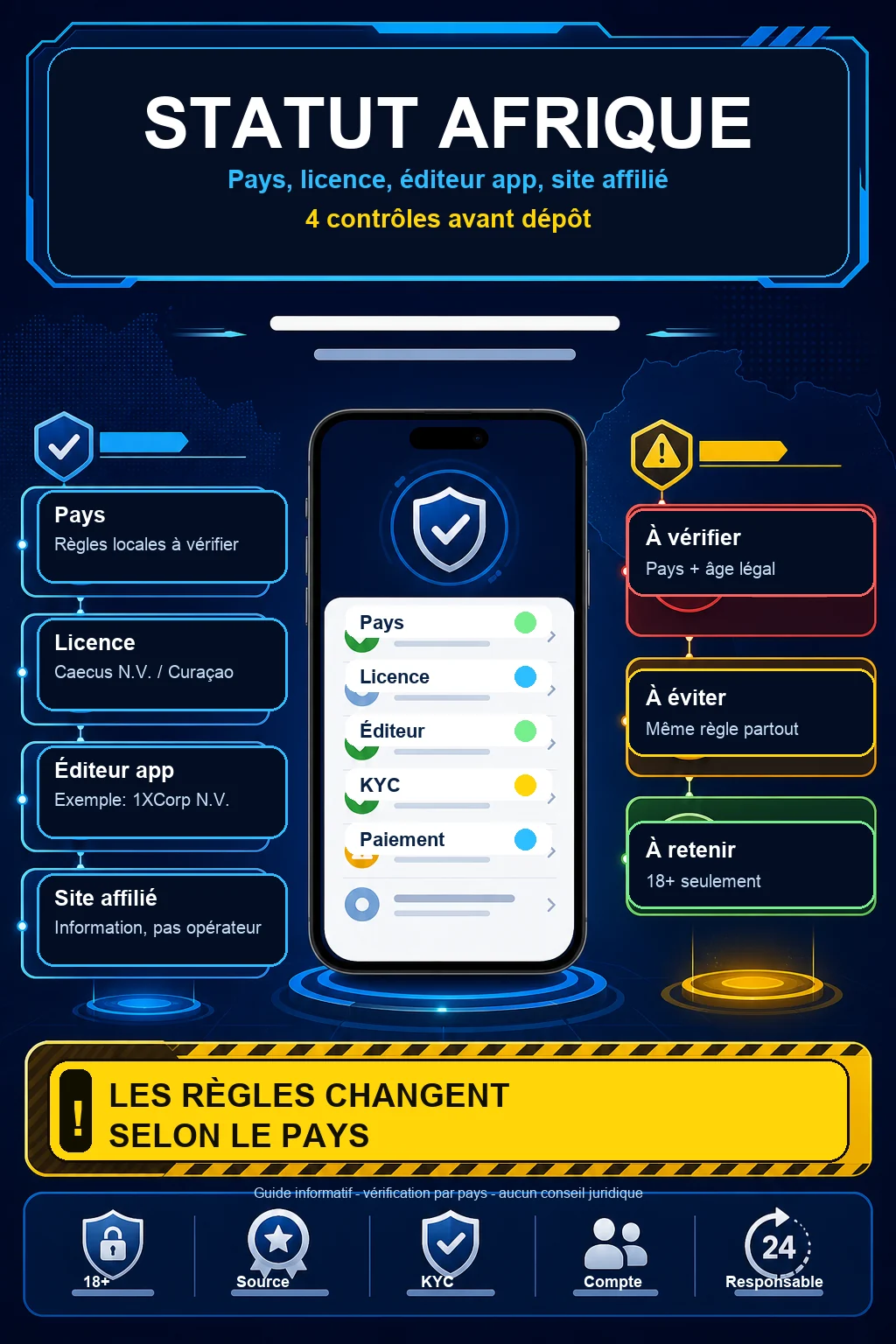
Statut & limites
1xBet en Afrique francophone : statut, éditeur et limites par pays
Avant de télécharger, ne mélangez pas trois choses: le site ou l'app où vous ouvrez le compte, l'éditeur affiché par une boutique mobile, et cette page d'information affiliée. En Afrique francophone, le statut, l'âge légal, les moyens de paiement, la devise et les documents KYC peuvent changer selon le pays.
Le bon réflexe n'est pas de chercher une règle unique pour toute l'Afrique francophone: vérifiez pays, licence, éditeur de l'app, KYC et paiement avant dépôt.
Le contrôle utile avant de déposer
Une page concurrente peut annoncer « disponible en Afrique », mais l'utilisateur a besoin de savoir où vérifier chaque information. Ce bloc sépare les repères officiels, la boutique mobile et les limites pratiques du compte.
Règle simpleNe partez jamais du principe que le même bonus, la même app ou le même retrait s'applique dans tous les pays francophones.
Pays du compteContrôlez pays, devise, âge légal, méthodes affichées et éventuelles restrictions avant de valider l'inscription.Opérateur et licenceLes règles officielles de 1xbet.com citent Caecus N.V. et la licence Curaçao; vérifiez toujours la page de règles visible au moment d'utiliser le site.Éditeur de l'appUne fiche App Store peut afficher un éditeur comme 1XCorp N.V.; ce nom sert à reconnaître la fiche mobile, pas à remplacer les règles du compte.
Point à séparer
Où le vérifier
Ce que cela évite
Statut par pays
Pays du compte, règles locales, âge légal, devise affichée
Croire qu'une même règle couvre automatiquement Sénégal, Cameroun, Côte d'Ivoire, Bénin, Togo, RDC ou Maghreb francophone
Opérateur du site
Footer et pages de règles officielles au moment de la connexion
Confondre une capture ancienne, un miroir ou un guide affilié avec la source contractuelle du compte
Éditeur mobile
Fiche App Store ou page Android officielle disponible dans le pays
Installer une copie imitée ou penser qu'un éditeur d'app décide des retraits
Paiements et KYC
Caisse du compte, titulaire du moyen de paiement, document demandé, reçu opérateur
Bloquer un retrait par devise, nom, téléphone, bonus ou preuve incohérente
Page affiliée
Mentions de cette page, auteur, sources et liens de vérification
Demander à un guide de gérer le compte, le solde, les bonus ou les litiges de paiement
À retenir
Le mot « 1xBet » peut apparaître sur le site, une app, une fiche boutique, un sponsor ou un guide. Pour un dépôt, seule l'information affichée dans le compte et les règles officielles au moment de l'action doit être utilisée.
Ce que nous signalons
Cette page peut expliquer les repères: licence visible, éditeur d'app, app Android/iPhone, KYC, paiements et limites. Elle ne remplace pas les conditions du pays ni le support de l'opérateur.
Cas à éviter
Évitez les APK privés, les groupes qui promettent un retrait rapide, les copies d'app et les guides qui annoncent « même bonus partout » sans vérifier pays, devise et conditions du compte.
Ce bloc informe l'utilisateur sans remplacer un conseil juridique. Si une règle locale, une restriction de pays ou une condition du compte est différente, l'utilisateur applique cette règle en priorité.
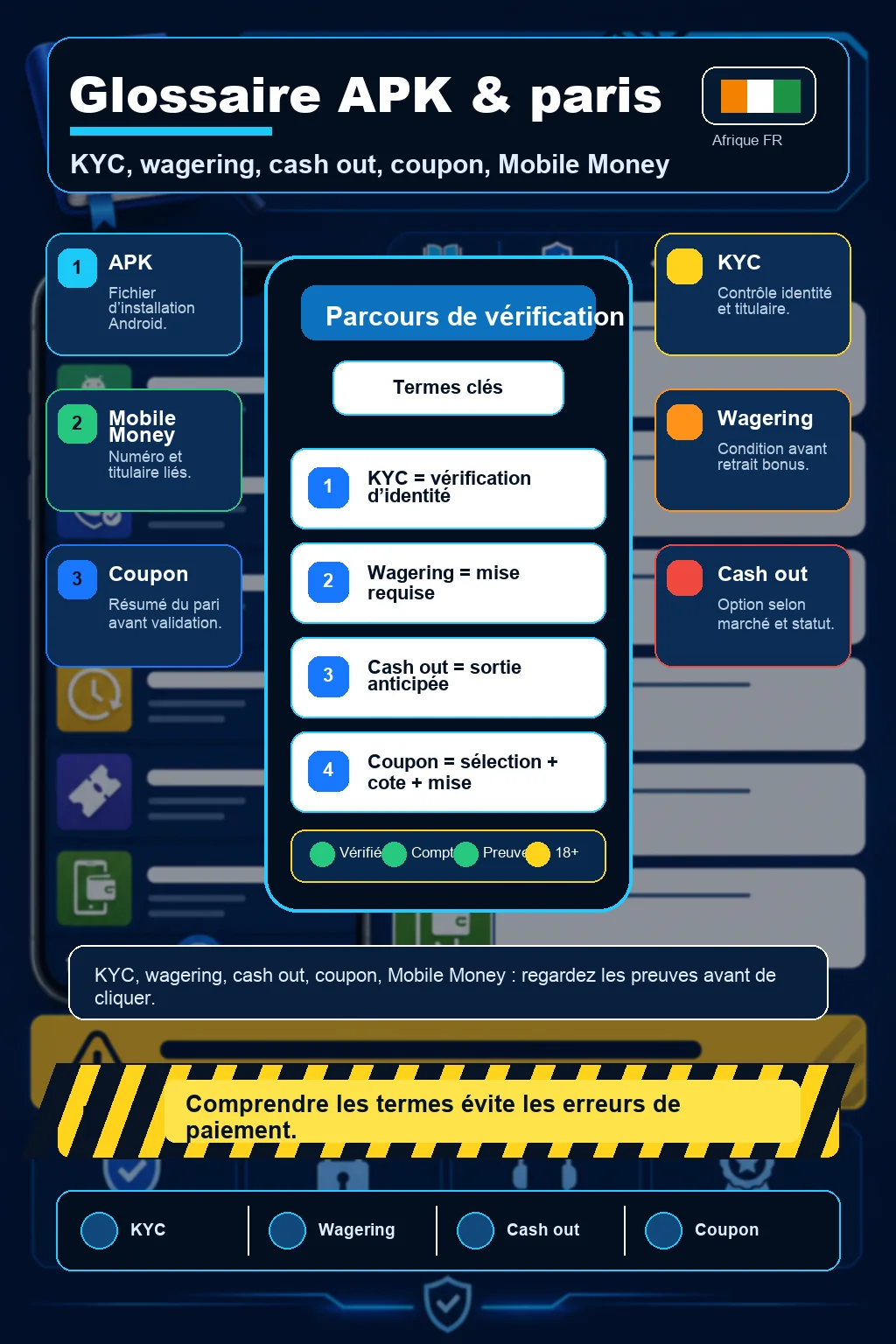
Glossaire APK et paris : KYC, wagering, cash out, coupon, Mobile Money
Le glossaire définit 6 termes que l'utilisateur rencontre avant le premier dépôt, le premier pari ou le premier retrait : APK, KYC, wagering, cash out, coupon et Mobile Money. Chaque définition relie 3 éléments vérifiables dans l'application 1xBet : un sujet, une action et un objet concret. Exemple : le wagering bloque le retrait du bonus tant que les mises requises ne sont pas terminées dans le compte.
Le glossaire relie chaque mot important à une action vérifiable: KYC vérifie le compte, wagering bloque le bonus, coupon contient la mise.
Terme
Définition simple
Triplet utile
APK
Fichier d'installation Android.
APK installe application sur Android.
KYC
Contrôle d'identité demandé avant certaines opérations.
KYC vérifie titulaire du compte.
Wagering
Conditions de mise liées à un bonus.
Wagering bloque retrait bonus tant que les mises ne sont pas terminées.
Cash out
Option parfois proposée pour fermer un pari avant la fin.
Cash out dépend du marché et du statut du match.
Coupon
Résumé du pari avant validation.
Coupon contient sélection, cote, mise et devise.
Mobile Money
Moyen de paiement lié à un numéro et à un titulaire.
Mobile Money relie numéro, titulaire et reçu.
Source inconnue
Alerte Android pour une installation hors boutique.
Android bloque source inconnue avant autorisation.
Support
Canal qui traite un dossier avec preuves.
Support demande ID compte, date, montant et référence.
Cote
Rapport qui traduit la probabilité et le gain potentiel d'une sélection.
Cote multiplie la mise en cas de pari gagnant.
Pari combiné
Plusieurs sélections regroupées sur un même coupon.
Pari combiné multiplie les cotes et augmente le risque.
Freebet
Pari gratuit crédité sous conditions, sans couvrir les frais de retrait.
Freebet s'applique au coupon, pas au dépôt.
Crash game
Jeu à multiplicateur croissant où l'on retire avant l'arrêt.
Crash game dépend d'un résultat aléatoire non prévisible.
Compte et identité
KYC vérifie le titulaire du compte. Mobile Money relie le numéro de paiement, le titulaire et le reçu opérateur.
Bonus et retrait
Wagering bloque le retrait bonus tant que les mises exigées ne sont pas terminées. Le plafond limite le montant récupérable.
Pari et coupon
Le coupon contient la sélection, la cote, la mise et la devise. Cash out propose une sortie seulement si le marché et le match l'autorisent.
Sécurité
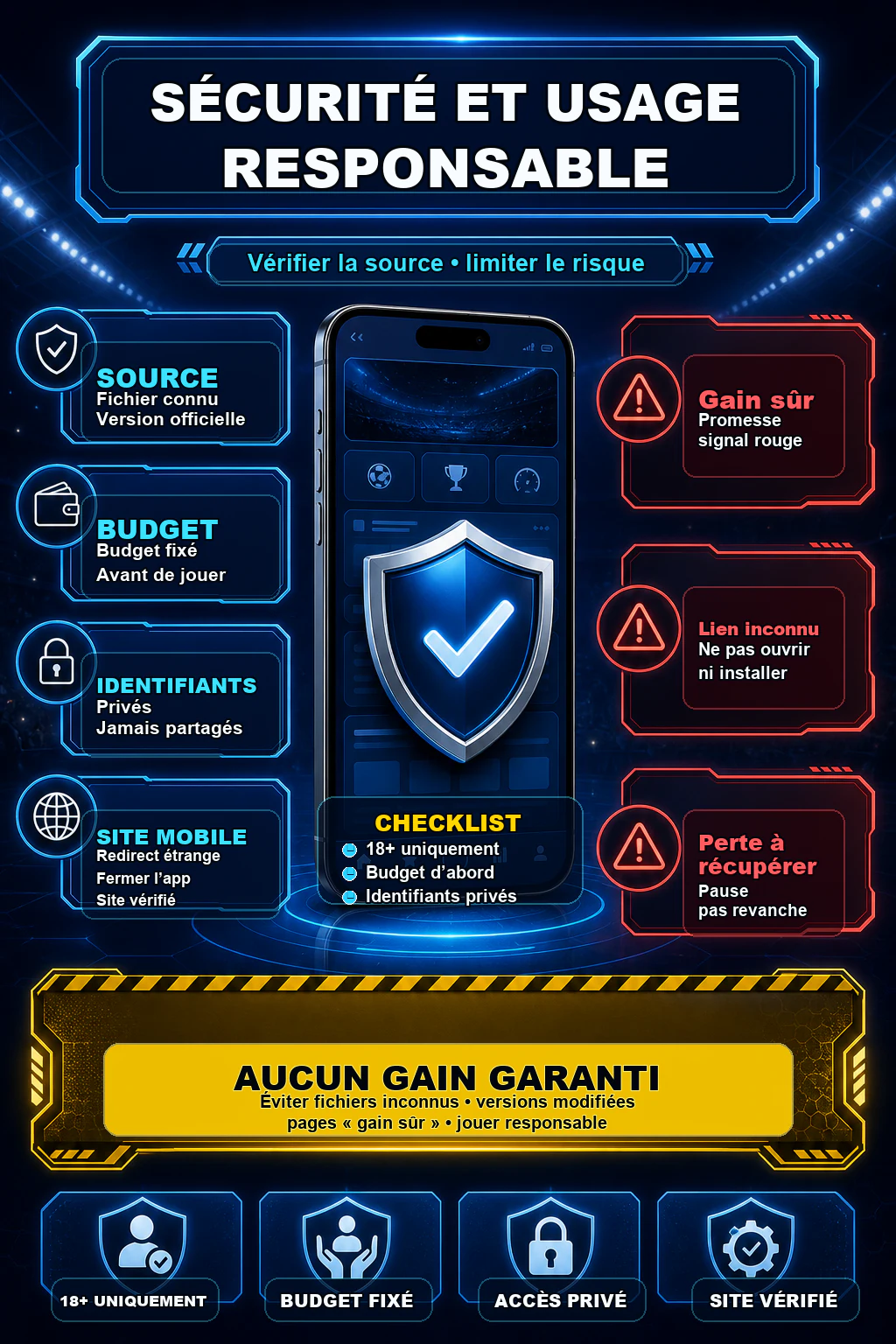
Sécurité et usage responsable
La sécurité commence avant le téléchargement: l'utilisateur évite un fichier envoyé par un inconnu, une version modifiée ou une page qui promet un gain sûr. L'utilisateur identifie la source avant d'ouvrir le fichier APK.
L'utilisateur limite son budget avant le pari, car le pari peut perdre la mise engagée. L'application 1xBet ouvre le coupon plus vite, mais elle ne rend pas un résultat sportif plus prévisible.
Si l'application demande une autorisation étrange, ferme sans raison ou redirige vers une page inconnue, l'utilisateur doit arrêter l'action, fermer l'application et passer par le site mobile vérifié.
La sécurité 1xBet protège quatre points: source du fichier, mot de passe, limite de session et refus de toute promesse de score garanti.
L'utilisateur vérifie l'âge légal et les règles de son pays avant de jouer.
L'utilisateur contrôle le risque de perte avant d'engager une mise.
La page explique qu'aucun code promo, fichier APK, pronostic ou avis lecteur ne garantit un gain.
L'utilisateur protège identifiants, codes SMS et documents privés dans le compte officiel.
Une source contrôlée remplace toujours un fichier reçu dans un groupe ou un message privé.
18+. Les jeux d'argent comportent un risque de perte. Aucun fichier APK, bonus ou pronostic ne garantit un résultat.
Méthode
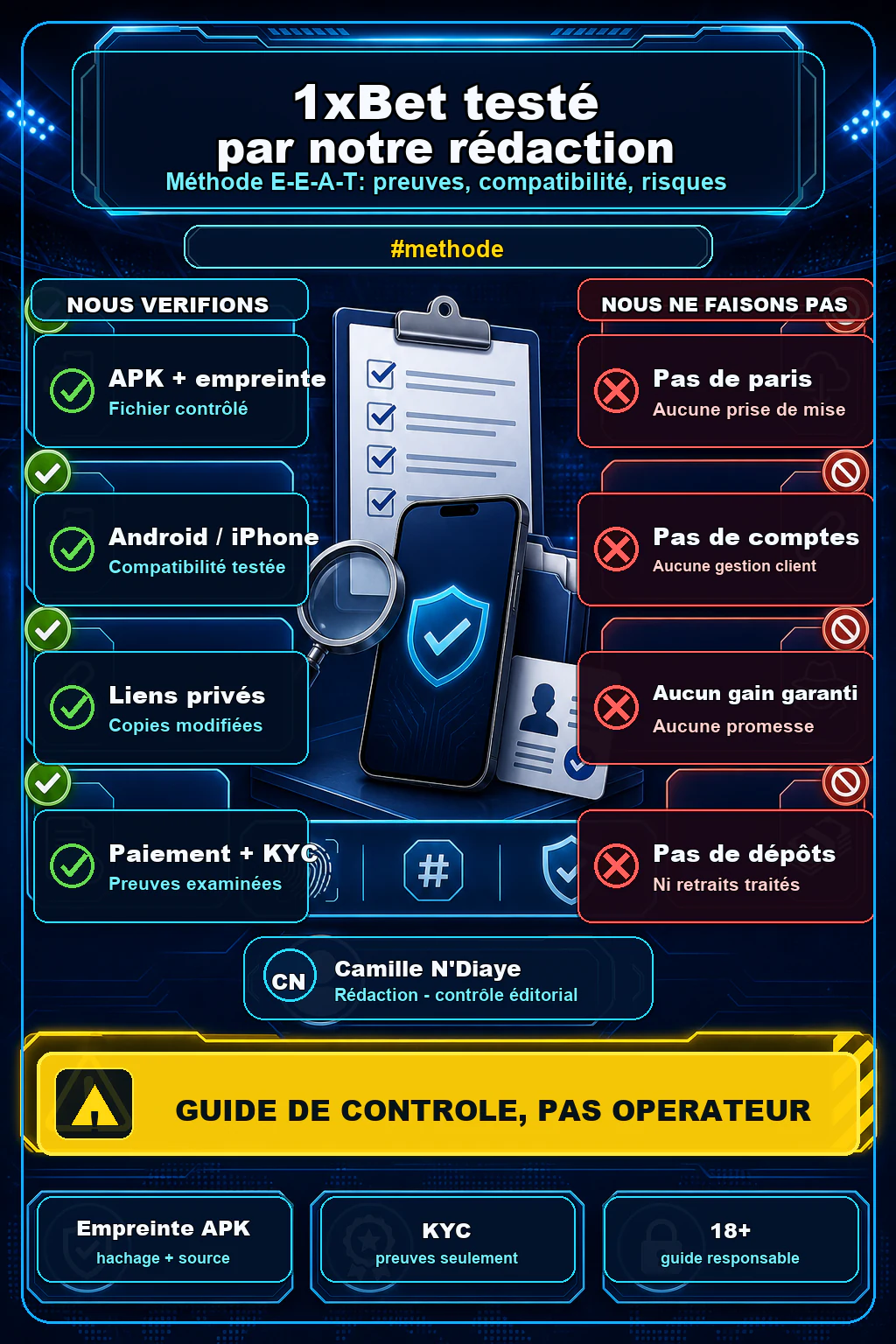
1xBet testé par notre rédaction
La rédaction vérifie les repères utiles avant publication: fichier APK, installation Android, accès iPhone/site mobile, paiement, KYC, bonus et usage responsable. Camille N'Diaye signe la revue visible et relie cette page à la page auteur.
La méthode sépare contrôle éditorial et opérateur: nous vérifions les repères utiles, sans gérer les comptes ni garantir les résultats.
Ce que nous vérifions
La rédaction vérifie que le fichier APK possède un nom, une taille, une version et une empreinte affichés.
La rédaction vérifie que le parcours Android/iPhone/site mobile correspond au format du téléphone.
La rédaction signale les liens privés, copies modifiées et fichiers renommés comme risques.
La rédaction relie les preuves de paiement, limites pays et demandes KYC au compte, pas à une promesse externe.
Ce que nous ne faisons pas
La rédaction sépare ce guide d'un service de paris pour l'utilisateur.
La rédaction sépare ce guide de la gestion des comptes 1xBet.
La rédaction explique qu'aucun gain, bonus, cash out ou retrait n'est garanti.
La rédaction ne demande jamais dépôts, retraits, documents privés ou mots de passe.
Avis & commentaires
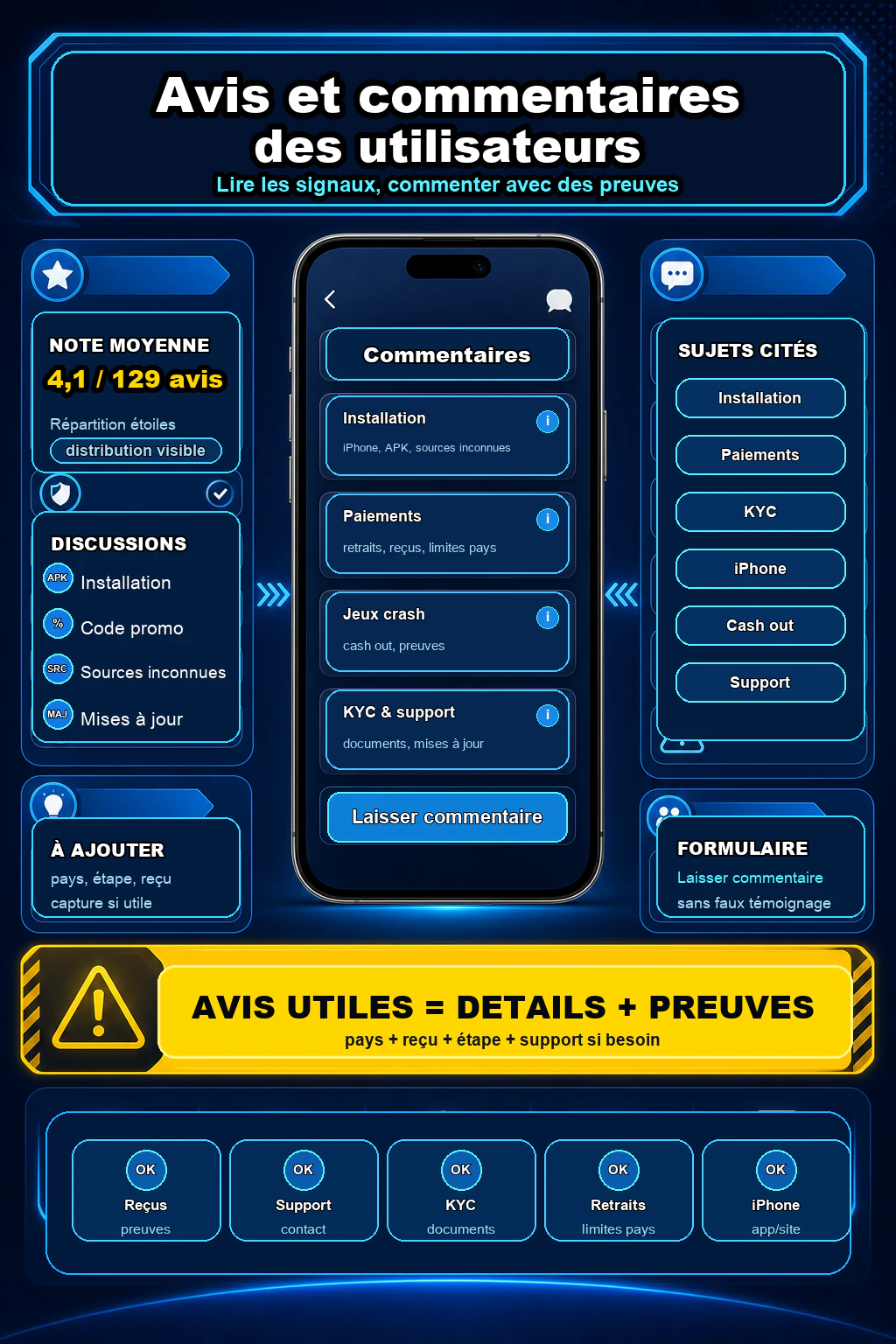
Avis et commentaires des utilisateurs
Retours lecteurs sur l'installation, le code promo, les paiements, l'iPhone, les sources inconnues Android, les jeux crash, le cash out, les retraits, le KYC, les limites par pays, les méthodes locales, le coupon live, la sécurité du compte, les notifications, la réinstallation, les reçus de paiement, les numéros de dossier support et les mises à jour. La discussion mélange questions simples, retours utiles et réponses de la rédaction.
Un avis utile donne le contexte: appareil, pays, méthode de paiement, preuve et étape concernée. Les faux témoignages sans détail n'aident personne.
Laisser un commentaire
Ajoutez votre nom et quelques mots avant de publier.
4,1
72 avis
525%
458%
317%
20%
10%
Seydou K.★★★★★il y a 2 jours
Dépôt via MTN Mobile Money crédité tout de suite. Le nom du compte MTN doit correspondre au titulaire 1xBet, sinon le retrait est bloqué au moment du KYC.
Équipe 1xBethier
Bonjour Seydou, exact : le nom sur MTN Mobile Money doit être identique à celui du compte 1xBet pour valider le retrait.
Aminata D.★★★★☆hier
Retrait sur Moov Money reçu en un peu moins d'une heure. Je conseille de finir la vérification du compte avant de demander, sinon la demande reste en attente.
Dieynaba B.★★★★★il y a 3 jours
Wave fonctionne pour le dépôt au Sénégal, sans frais de mon côté. L'appli affiche bien le montant crédité dans la caisse après confirmation.
Yao K.★★★★☆il y a 4 jours
Je suis surtout les paris esports (CS2, Dota 2) dans l'application. La section live se charge vite même en 4G. À miser avec mesure, les cotes bougent vite.
Ramata S.★★★★★il y a 2 jours
Le pari combiné se construit facilement : le coupon met à jour la cote totale à chaque sélection ajoutée. Je fixe une limite avant de valider.
Boubacar T.★★★★☆il y a 5 jours
La section Toto (jackpot) est séparée des paris classiques. L'appli explique la grille et le montant de la mise avant de valider, c'est clair.
Larissa G.★★★★★hier
La connexion par empreinte digitale marche après l'avoir activée dans les réglages de l'appli. Plus besoin de retaper le mot de passe à chaque ouverture.
Idris B.hier
Je l'ai activée aussi, mais je garde un mot de passe fort au cas où je change de téléphone.
Ousmane F.★★★★☆il y a 6 jours
Le pari gratuit s'applique au moment de valider le coupon, pas sur le dépôt. Il ne couvre pas d'éventuels frais de retrait, à vérifier dans les conditions.
Adjoua N.★★★★☆il y a 3 jours
Le cashback apparaît dans la caisse. L'application affiche les conditions de mise avant de l'utiliser, donc je lis d'abord avant d'activer.
Parfait E.★★★★☆il y a 4 jours
L'option Advancebet permet de miser sur un solde réservé quand la caisse est en attente. Utile, mais je lis les conditions affichées dans l'appli avant.
Kofi M.★★★★★il y a 2 jours
Les 1xGames se lancent dans l'appli sans quitter le compte. Le mode démo aide à comprendre les règles avant de miser du réel.
Hakim Z.★★★★★il y a 5 jours
Sur mon Huawei sans Play Store, j'ai installé l'APK directement depuis cette page. La signature SHA-256 du fichier correspondait à celle indiquée ici, ça rassure.
Équipe 1xBetil y a 5 jours
Bonjour Hakim, bon réflexe : vérifier la signature SHA-256 avant d'ouvrir le fichier est la bonne pratique sur Huawei / AppGallery.
Yakanou★★★★★à l’instant
Dépôt
Pablo★★★★★à l’instant
Parfait
appolinaire★★★★★à l’instant
retraire
Laurent S.★★★★★hier
L'historique des versions est pratique. Je préfère voir ce qui change avant de remplacer une application qui fonctionne déjà.
Bruno T.★★★☆☆hier
L'application marche, mais mon retrait a demandé une vérification. Il vaut mieux préparer la pièce d'identité et ne pas changer de moyen de paiement au dernier moment.
Nadège O.★★★★☆hier
Après une mise à jour, l'application restait bloquée sur le logo. Vider le cache a suffi, sans toucher au compte.
Laurent S.hier
J'ai eu pareil après une mise à jour. Vider le cache a réglé le blocage sans réinstaller.
Fanta S.★★★★☆hier
Orange Money est passé après confirmation du reçu. Je garde maintenant la capture opérateur jusqu'à ce que le solde soit visible dans le compte.
Nadia T.hier
Même chose pour moi: le reçu opérateur est la première chose demandée quand le statut reste bloqué.
Henri K.★★★★☆hier
Sur un ancien Android, l'installation a pris plus de temps. La partie Android 7.0+ m'a évité de retélécharger trois fois pour rien.
Martine U.★★★★☆il y a 2 jours
Sur un petit téléphone, le navigateur léger est parfois plus lisible que l'app. Je garde les deux options selon la connexion.
Raymond I.★★★☆☆il y a 2 jours
Je ne retrouvais plus le fichier dans Téléchargements. Le nom exact du fichier devrait toujours être copié quelque part.
1xBet Guide RÉDACTIONil y a 2 jours
Le fichier se trouve généralement dans Téléchargements. Vérifiez le nom et supprimez les anciens doublons avant installation.
Amina F.★★★★★il y a 2 jours
Je n'utilise pas les APK mirror au hasard. Si je ne peux pas vérifier la page et l'empreinte, je passe par le site mobile.
1xBet Guide RÉDACTIONil y a 2 jours
C'est le bon réflexe. Un fichier isolé ou renommé sans contexte ne doit pas être traité comme une source fiable.
Thierry G.★★★★☆il y a 2 jours
En live, la cote peut changer entre l'ajout au coupon et la validation. Je relis toujours le montant final avant d'accepter.
1xBet Guide RÉDACTIONil y a 2 jours
En live, la confirmation finale du coupon est essentielle: la cote, le marché ou le montant peuvent changer avant validation.
Pierre L.★★★☆☆il y a 2 jours
Avec un VPN, l'accès au compte a demandé une vérification. Je l'ai coupé pour éviter de changer de région à chaque connexion.
1xBet Guide RÉDACTIONil y a 2 jours
Un changement fréquent de région peut déclencher des contrôles. Gardez une connexion cohérente pour les opérations sensibles.
Rose V.★★★★☆il y a 2 jours
Mon DNS privé bloquait parfois l'écran de connexion. Après désactivation temporaire, la page s'est chargée normalement.
Aline B.★★★★☆il y a 2 jours
Avec une connexion lente, le live peut afficher le marché en retard. Le site mobile dépanne, mais je préfère attendre que le coupon soit stable.
Salif O.★★★★☆il y a 2 jours
Mode avion puis retour réseau a réglé un blocage de solde. Petit truc simple, mais ça m'a évité de réinstaller.
Oumar F.★★★★☆il y a 2 jours
Les sports virtuels sont faciles à ouvrir, mais je les traite comme un jeu rapide. Petite mise, pas de poursuite après une perte.
Stéphane U.il y a 2 jours
Je fais pareil: limite de temps courte et aucune relance pour récupérer une perte.
Rosine A.★★★★☆il y a 2 jours
Je suis sur iPhone, donc je n'ai pas utilisé l'APK. Safari suffit pour consulter le coupon, mais je préfère l'application quand elle est disponible dans l'App Store.
Maëlle I.★★★☆☆il y a 2 jours
Le Live Casino charge bien sur Wi-Fi, moins bien sur réseau faible. Je ne l'utilise pas quand la vidéo coupe.
Stéphane U.★★★★★il y a 2 jours
Le conseil le plus utile reste la limite de session. Quand elle est fixée avant le premier pari, c'est plus simple de s'arrêter.
Youssouf D.★★★☆☆il y a 2 jours
Le code promo n'a pas fonctionné sur mon ancien compte. Ce serait bien de rappeler encore plus haut qu'il faut le mettre pendant l'inscription.
1xBet Guide RÉDACTIONil y a 2 jours
Nous l'avons renforcé dans la FAQ: le code doit être saisi pendant l'inscription et l'offre peut dépendre du pays ou du compte.
Fatima E.★★★★☆il y a 2 jours
Pour mon retrait, on m'a demandé une preuve d'adresse lisible. Une photo sombre fait perdre du temps, donc je prépare le document avant.
1xBet Guide RÉDACTIONil y a 2 jours
Une preuve d'adresse doit être lisible, complète et cohérente avec le profil si elle est demandée.
Georges K.★★★☆☆il y a 2 jours
Ma carte bancaire a été refusée, alors que Mobile Money passait. Ce n'est pas toujours l'application, parfois c'est la méthode.
Estelle P.★★★★☆il y a 2 jours
J'ai aimé la précision sur le cash out. Il n'apparaît pas sur tous les tickets, donc je vérifie le montant proposé avant de fermer un pari.
Moussa L.★★★★☆il y a 2 jours
Pour Aviator et les jeux crash, le rappel budget est important. L'écran bouge vite et on peut cliquer sans réfléchir si on ne fixe pas une limite.
Mamadou C.il y a 2 jours
Exact. Je limite surtout la durée de session, pas seulement le montant.
Cynthia Z.★★★★☆il y a 3 jours
Pour contacter le support, l'identifiant du compte et le numéro de transaction font gagner du temps. Sans ça, on répète tout.
1xBet Guide RÉDACTIONil y a 3 jours
Pour le support, préparez l'identifiant, le montant, la date et le numéro de transaction avant d'écrire.
Pauline N.★★★★★il y a 3 jours
Je capture le ticket avant la fin du match, surtout sur les combinés. C'est plus facile si une vérification arrive plus tard.
Aurélie T.il y a 3 jours
Je garde aussi le ticket jusqu'au règlement final, surtout quand le live a bougé rapidement.
Prisca W.★★★★☆il y a 3 jours
Les options crypto ne sont pas visibles pour tout le monde. Je vérifie d'abord dans le cashier au lieu de supposer que la méthode existe.
1xBet Guide RÉDACTIONil y a 3 jours
Les méthodes crypto, carte ou portefeuille varient selon pays et compte. Le cashier reste la source à vérifier avant dépôt.
David J.★★★☆☆il y a 3 jours
Les frais de retrait ne sont pas toujours évidents. Je vérifie le montant reçu avant de choisir une méthode.
1xBet Guide RÉDACTIONil y a 3 jours
Les frais, limites et délais doivent être confirmés dans le cashier avant de valider un retrait.
Mona K.★★★★☆il y a 3 jours
Le dépôt minimum change selon la méthode. C'est mieux de le contrôler dans le cashier plutôt que de se fier à un ancien souvenir.
Frédéric R.★★★★☆il y a 3 jours
Je préfère les SMS aux notifications push pour les codes. Si le téléphone change, je sais tout de suite quoi vérifier.
Lionel J.★★★★☆il y a 3 jours
Je n'ai pas trouvé l'application dans le Play Store de ma région. Le guide explique bien la différence entre APK, site mobile et boutique.
Laetitia E.★★★★★il y a 3 jours
Ne jamais envoyer une photo de document dans un groupe privé. Le support doit passer par le compte, pas par un inconnu.
1xBet Guide RÉDACTIONil y a 3 jours
Exact. Aucun document ne doit être envoyé à une personne privée, un groupe ou un canal non officiel.
Michel Y.★★★★☆il y a 3 jours
Je lis surtout les conditions avant de prendre un bonus. Ce n'est pas amusant, mais ça évite les mauvaises surprises.
Carine M.il y a 3 jours
Même avis. Les conditions sont longues, mais c'est là qu'on comprend le bonus.
Ange P.★★★★☆il y a 3 jours
Le résumé en haut suffit pour décider vite. Ensuite je descends seulement si j'ai un problème précis.
Émilie G.★★★★☆il y a 3 jours
Mon dépôt Mobile Money est resté en attente quelques minutes. Le conseil de ne pas répéter l'opération trop vite m'a évité un doublon.
1xBet Guide RÉDACTIONil y a 3 jours
Quand un dépôt reste en attente, attendez le statut final et gardez le numéro de transaction avant de contacter le support.
Inès H.★★★★★il y a 3 jours
Je regarde toujours le nom exact du fichier avant ouverture. Si le nom paraît bizarre ou envoyé par quelqu'un, je supprime.
Rachida M.il y a 3 jours
Exactement. Un fichier envoyé dans un groupe ou renommé au hasard, je ne l'ouvre pas.
Roger Q.★★★★☆il y a 3 jours
Sur un téléphone ancien, le navigateur est parfois plus stable que l'application. Ce n'est pas le plus rapide, mais ça dépanne.
Aïssatou Z.★★★★☆il y a 3 jours
Le cash out était visible puis a disparu après un changement de score. Maintenant je ne compte pas dessus comme une option garantie.
1xBet Guide RÉDACTIONil y a 3 jours
Le cash out peut disparaître quand le statut du match ou le marché change. Il faut le traiter comme une option conditionnelle.
Daniel C.★★★★★il y a 3 jours
Simple et direct. Je voulais juste le fichier et les infos principales, je les ai trouvés sans chercher.
Elvis R.★★★★☆il y a 3 jours
Mon coupon a demandé une confirmation parce que la cote avait changé. C'est agaçant, mais au moins ça évite de valider un mauvais montant.
Grâce E.★★★★☆il y a 3 jours
En Côte d'Ivoire, les infos XOF et Mobile Money sont plus utiles qu'un long texte général. La preuve de dépôt devrait toujours être gardée.
Lucas V.★★★☆☆il y a 3 jours
Le téléchargement a coupé une fois sur mon Wi-Fi. Après reprise en 4G, le fichier s'est installé normalement.
Mariam O.★★★★☆il y a 3 jours
Android a affiché l'alerte source inconnue au premier essai. J'ai autorisé seulement le navigateur, installé le fichier, puis retiré l'autorisation dans les réglages.
Awa K.★★★★★il y a 2 jours
Dépôt Mobile Money passé sans attente et le code promo a bien été accepté à l'inscription. J'ai surtout apprécié d'avoir le SHA-256 sous la main avant d'ouvrir le fichier.
1xBet Guide RÉDACTIONil y a 1 jour
Merci Awa. Le bon réflexe reste de vérifier le nom du fichier, la taille et l'empreinte avant chaque nouvelle installation.
Carine M.★★★☆☆il y a 4 jours
Je trouve les conditions de bonus longues. La partie wagering aide, mais il faut vraiment lire avant d'accepter.
1xBet Guide RÉDACTIONil y a 4 jours
Un bonus ne doit être accepté qu'après lecture du dépôt minimum, des jeux inclus, du délai et des conditions de mise.
Mathieu L.★★★★☆il y a 4 jours
Le support a répondu, mais pas instantanément. Avec le reçu et le numéro de transaction, l'échange a été plus simple.
Sarah P.★★★★★il y a 4 jours
Le sélecteur Afrique francophone est utile. Je veux voir les méthodes du pays avant de télécharger, pas après.
Serge D.★★★★☆il y a 4 jours
Le comparatif me sert surtout à vérifier les critères: mobile, bonus, retrait, cash out. Pas besoin de boutons partout.
1xBet Guide RÉDACTIONil y a 4 jours
Le tableau est volontairement centré sur les critères utiles; il ne pousse pas vers des liens externes.
Binta F.★★★★★il y a 4 jours
Au Sénégal, Wave et Orange Money sont les points que je regarde en premier. Le tableau pays aide à savoir quoi vérifier avant dépôt.
1xBet Guide RÉDACTIONil y a 4 jours
Les méthodes locales peuvent changer selon le compte. Le tableau sert de checklist, mais la validation finale se fait dans le cashier.
Olivier R.★★★★☆il y a 4 jours
J'utilise surtout les notifications de match. L'application est plus pratique que le navigateur, mais je coupe les alertes quand je ne joue pas.
Samira H.★★★★☆il y a 4 jours
La FAQ répond à la question que j'avais sur l'alerte Android. Ce n'est pas un bug, il faut juste ne pas laisser l'autorisation ouverte.
Chantal R.★★★★☆il y a 4 jours
Le code promo a été refusé sur un ancien compte. Le guide m'a évité d'insister: il faut vérifier que l'inscription est nouvelle et relire les conditions avant dépôt.
Éric N.★★★★☆il y a 5 jours
Au Cameroun, le plus important pour moi est que le nom du compte et le moyen de retrait restent cohérents. Sinon le KYC peut bloquer.
Louise J.★★★☆☆il y a 5 jours
Le bonus est intéressant, mais les conditions sont à lire. Je préfère une petite offre claire qu'un gros chiffre avec wagering mal compris.
Chantal R.il y a 5 jours
Je regarde toujours le dépôt minimum et le nombre de mises avant d'accepter. Sinon on croit que le bonus est plus simple qu'il ne l'est.
Issa O.★★★★★il y a 5 jours
La mise à jour s'est faite sans supprimer le compte. J'ai vérifié la version affichée avant d'ouvrir le nouveau fichier.
Mélanie Q.★★★★☆il y a 6 jours
Le site mobile dépanne bien quand l'APK ne veut pas s'ouvrir. Pour déposer ou retirer, je préfère quand même l'application.
Cédric A.★★★★☆il y a 6 jours
RAS pour moi. J'ai téléchargé, installé, terminé.
Jean-Marc B.★★★★☆il y a 5 jours
Installation simple après l'autorisation Android. Le site mobile reste utile quand la connexion est faible, mais l'application va plus vite pour suivre les matchs en direct.
Viviane Z.★★★★☆il y a 6 jours
Le reçu de paiement m'a déjà servi avec le support. Depuis, je ne ferme jamais l'application opérateur avant de voir le numéro de transaction.
1xBet Guide RÉDACTIONil y a 6 jours
Bonne habitude. Le reçu, le montant et le numéro au même nom accélèrent la vérification si le paiement doit être contrôlé.
Nadia T.★★★★★il y a 6 jours
Depuis le Burkina, le dépôt Orange Money est passé après confirmation du numéro et du reçu. Pour un retrait, je conseille de garder la preuve et le même nom sur le compte.
Gilles Y.★★★☆☆il y a 1 semaine
Le streaming n'est pas toujours disponible. La page le dit clairement, donc je ne compte pas dessus pour chaque match.
1xBet Guide RÉDACTIONil y a 1 semaine
Le streaming dépend des droits, du sport et du compte. Il vaut mieux le traiter comme une option, pas comme une garantie.
Rachida M.★★★★★il y a 1 semaine
J'ai apprécié le passage sécurité: ne pas accepter un APK reçu dans un groupe et revenir à la page de téléchargement contrôlée.
Kevin L.★★★★☆il y a 1 semaine
Sur iPhone je n'ai pas cherché d'APK. Le site mobile dans Safari suffit pour consulter le coupon et le solde, surtout quand l'application n'apparaît pas dans l'App Store.
Alain P.★★★★☆il y a 1 semaine
Le coupon se charge vite, même avec une connexion moyenne. Sur les paris en direct, je relis quand même la cote avant validation.
Nora I.★★★★☆il y a 1 semaine
Les limites de dépôt et retrait changent selon le pays. Le rappel de vérifier dans le compte avant d'envoyer l'argent est utile.
Éric N.il y a 1 semaine
Oui, surtout quand on change de méthode entre dépôt et retrait. Le nom doit rester cohérent.
Ibrahim D.★★★☆☆il y a 1 semaine
Bonne application dans l'ensemble, mais mon retrait a attendu la vérification KYC. Je conseille de préparer la pièce d'identité avant le premier retrait.
Fabrice W.★★★★☆il y a 9 jours
Page correcte. Je reviendrai surtout pour vérifier la version.
Mamadou C.★★★★☆il y a 9 jours
Les jeux crash comme Aviator sont rapides, donc je fixe une petite limite avant de jouer. L'application va vite, mais ça ne rend pas le résultat plus prévisible.
Thérèse C.★★★★★il y a 9 jours
Pour le retrait, une photo nette du document change tout. Quand l'image est floue, le contrôle prend plus de temps.
Jules B.★★★★☆il y a 10 jours
Le comparatif aide à ne pas choisir seulement par bonus. Je regarde aussi le mobile, le cash out et les méthodes de retrait.
1xBet Guide RÉDACTIONil y a 10 jours
C'est exactement l'objectif du tableau: comparer les usages réels avant de regarder seulement la promesse de bonus.
Fatou S.★★★★★il y a 2 semaines
Le guide explique clairement quoi contrôler: nom du fichier, autorisation temporaire et preuve de paiement. Ça évite de chercher des copies au hasard.
Auteur & revue
Camille N'Diaye, vérification mobile 1xBet
Camille N'Diaye relit cette page comme une fiche de contrôle utilisateur: fichier Android, accès iPhone, compte, paiements, KYC et sécurité. Sa page auteur relie la signature visible, le portrait, le rel=author et les données structurées Person/reviewedBy.
Camille N'Diaye
Rédactrice mobile et vérification APK · dernière revue le 8 juillet 2026
APK Android iOS/App Store SHA-256 Mobile Money Jeu responsable
Camille vérifie la version APK, la taille du fichier, l'empreinte SHA-256, la compatibilité Android/iPhone et la cohérence des étapes d'installation.
Sources vérifiées
La revue utilise le fichier servi sur cette page, la fiche App Store CI, le lookup iTunes, les retours lecteurs et les règles visibles dans les écrans de compte.
Limites éditoriales
Camille ne prend pas de paris, ne traite pas les paiements et ne promet aucun gain; sa revue réduit les erreurs d'installation, de connexion et de retrait.
La dernière vérification technique a confirmé le fichier 1xbet.apk, la version Android affichée, l'empreinte SHA-256 1936c31823c9c48a0c854e79b09c77fdfb26f53672bc5b63f073ba3a0d773fb5 et la fiche iOS App Store CI mise à jour.
FAQ
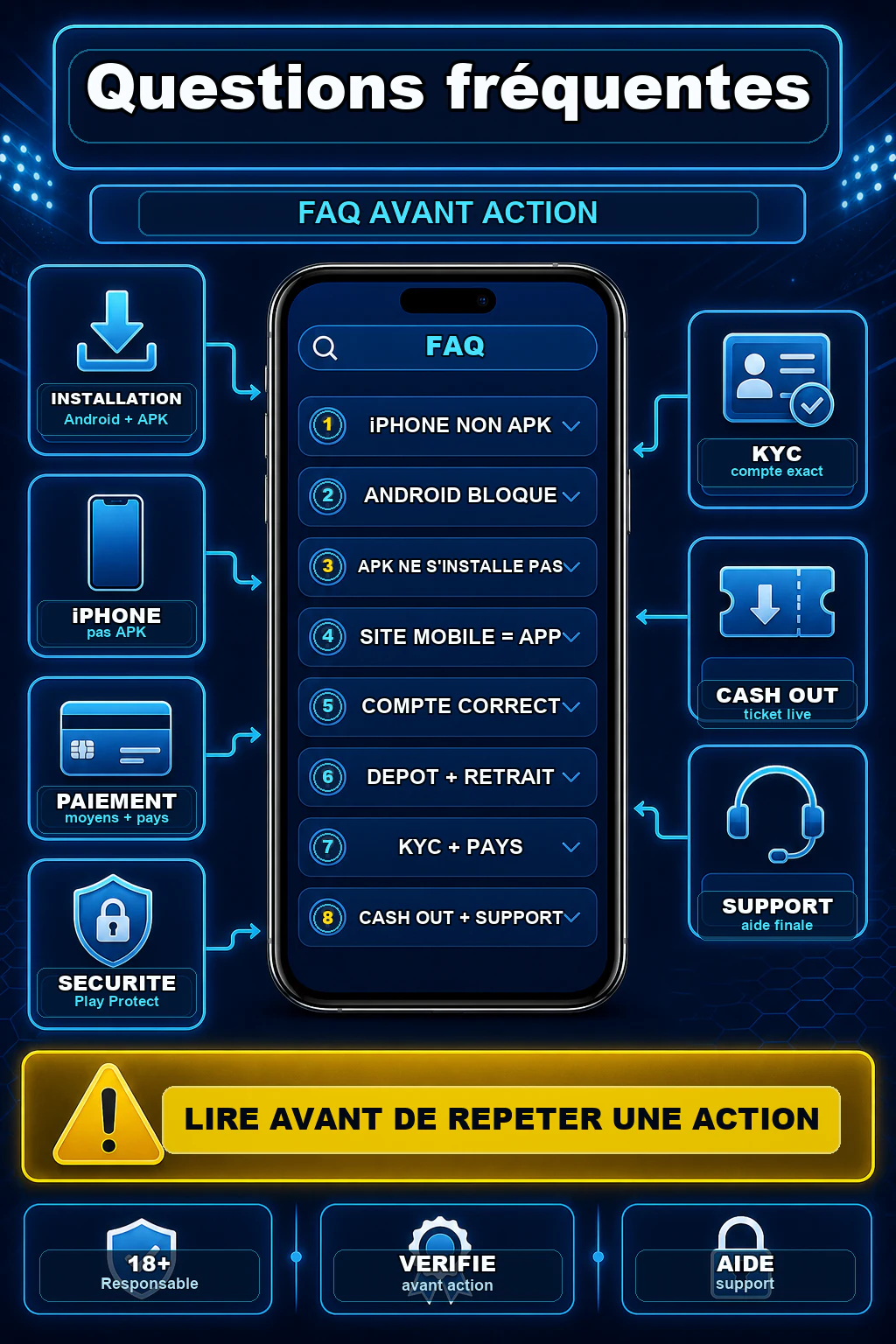
Questions fréquentes
La FAQ doit éviter les mauvais réflexes: vérifier la réponse avant de réinstaller, relancer un dépôt, partager un code ou contacter un faux support.
Non. Le site, l'application, les moyens de paiement, les documents KYC, la devise et l'âge légal peuvent dépendre du pays et du compte. Vérifiez les règles officielles, la boutique mobile disponible dans votre région et la caisse affichée avant de déposer.
Non. Un APK fonctionne sur Android, pas sur iPhone. Sur iPhone, utilisez l'App Store si l'application est disponible dans votre région ou ouvrez le site dans Safari. Pour la Côte d'Ivoire, la fiche App Store CI à vérifier est Paris Sportifs ― 1xBet CI.
Android peut bloquer les fichiers qui ne viennent pas d'une boutique. Vous pouvez autoriser temporairement la source si vous faites confiance au fichier, puis retirer l'autorisation après installation.
Supprimez le fichier, vérifiez l'espace libre, redémarrez le téléphone et retéléchargez depuis une source contrôlée. Si le problème continue, utilisez le site mobile.
Dans beaucoup de cas, oui. Le site mobile permet d'accéder au compte sans installer de fichier, mais certaines fonctions peuvent varier selon l'appareil ou la région.
Utilisez vos propres coordonnées, choisissez un mot de passe unique et gardez vos codes de vérification privés.
Vérifiez le montant, la devise et le moyen de paiement avant de valider. Gardez toujours une preuve de l'opération.
Un retrait peut être retardé par une vérification, une erreur de numéro, une limite, un bonus non terminé ou une information de compte incohérente.
Non. Un bonus peut donner accès à une offre, mais il reste soumis à des conditions et ne garantit aucun résultat.
Ce n'est pas conseillé. Il vaut mieux partager la page de téléchargement, car un fichier envoyé séparément peut devenir ancien ou être modifié.
Désinstallez-la, supprimez le fichier, changez votre mot de passe si vous l'avez saisi et utilisez ensuite un accès contrôlé.
Vérifiez le montant minimum, le plafond, la devise et les frais directement dans le compte avant de valider. Ces valeurs peuvent varier selon le pays, la méthode et le profil.
Non. Le cash out dépend de l événement, du marché, du statut du match et du ticket. Relisez le montant proposé avant de confirmer.
L'application 1xBet ouvre plus directement favoris, coupon et notifications. Le site mobile remplace l'application si l'installation bloque, si l'appareil est ancien ou si l'utilisateur veut éviter un fichier APK.
Un retrait peut être retardé si l identité, le moyen de paiement ou le titulaire du compte doivent être confirmés. Une pièce lisible et une preuve de paiement évitent des échanges inutiles.
Ajoutez les bookmakers qui vous intéressent, puis comparez les accès mobiles, le bonus, les paiements, le KYC, le live et le cash out. Gardez seulement les lignes utiles avant de choisir.
Le tableau sert à comparer les critères avant dépôt. Il ne remplace pas une vérification dans le pays, le compte et les conditions affichées par chaque opérateur.
Un code promo peut être refusé si le compte existe déjà, si l'offre n'est pas disponible dans le pays, si le dépôt ne respecte pas les conditions ou si le code a été saisi après l'inscription.
Autorisez uniquement l'application utilisée pour ouvrir le fichier, installez l'APK, puis retirez l'autorisation. Ne gardez pas une autorisation globale pour tous les fichiers reçus.
Vérifiez le numéro, le montant, le reçu opérateur et le nom du titulaire. Attendez le statut final avant de répéter l'opération ou de contacter le support avec la preuve de paiement.
Parce qu'un retrait peut demander une pièce d'identité, une preuve de paiement ou un compte au même nom. Les avis rappellent de préparer ces éléments avant le premier retrait.
L'utilisateur fixe une limite de session, relit le montant engagé et comprend qu'un jeu crash ne rend pas le résultat prévisible. L'utilisateur limite le budget avant de lancer la partie.
Non. Le cash out dépend de l'événement, du marché et du statut du ticket. Vérifiez toujours le montant proposé avant de confirmer.
L'utilisateur évite de forcer l'installation automatiquement. Il vérifie la page de téléchargement, le nom du fichier, la taille, l'empreinte et supprime le fichier si la source n'est pas claire.
En direct, 1xBet affiche une cote qui dépend du score, du marché et de la disponibilité. L'utilisateur relit toujours le coupon final avant de confirmer.
Libérez de l'espace, supprimez les anciens fichiers téléchargés, redémarrez si nécessaire, puis relancez le téléchargement depuis la page contrôlée.
Les méthodes comme Flooz, T-Money, M-Pesa, Airtel Money, Wave ou MTN Mobile Money dépendent du pays, de la devise, de l'opérateur et du compte.
La vérification en deux étapes protège le compte si le mot de passe est connu ou réutilisé. Activez-la avant un dépôt et gardez le numéro ou l'email de récupération accessible.
L'utilisateur relit chaque ligne avant validation. En live, 1xBet peut modifier une cote, un marché ou une sélection, surtout sur les combinés.
Un changement fréquent de région peut déclencher une vérification du compte. Pour les dépôts, retraits et réglages, l'utilisateur garde une connexion cohérente.
Préparez l'identifiant du compte, la date, le montant, le moyen de paiement, le numéro de transaction et une capture du ticket si le problème concerne un pari.
Vérifiez la version, supprimez les anciens fichiers APK, gardez votre email et votre téléphone de récupération accessibles, puis retéléchargez depuis la page contrôlée. La réinstallation ne doit pas remplacer une sauvegarde de vos identifiants.
Attendez le statut final, gardez le reçu opérateur et le numéro de transaction, puis ne répétez pas l’opération tant que le premier paiement est en attente.
Le numéro de dossier permet de reprendre une discussion avec la date, le montant, la méthode de paiement et le ticket concerné sans réexpliquer tout le problème.
Désinstallez l’ancienne version, supprimez les vieux fichiers APK, redémarrez si nécessaire, puis installez le fichier contrôlé avec la version affichée sur la page.
L'utilisateur vérifie l'e-mail, le téléphone et le mot de passe du compte 1xBet avant changement d'appareil, réinstallation ou contrôle de sécurité.